
Human-Led Concepts Anchor Campaigns as AI Scales Creative Execution
Creative Director Kenan Peköz of Audacy Seattle examines AI’s role in advertising and why human effort remains the key to breakthrough ideas.

Make Ad World News one of your go-to sources on Google


It enables a single creative director to act like an entire ad agency. All of a sudden, you have a writer, a storyboarder, and an artist. All these resources are at your disposal just by prompting.

Kenan Peköz
AI is accelerating creative work and putting agency-level firepower into a single prompt. The risk is that speed and pattern-based outputs pull ideas toward safe, median territory, flattening the experimentation that fuels breakthrough campaigns. The opportunity lies in using AI as a force-multiplier after the core idea is set, preserving human judgment and creative friction while scaling execution.
Kenan Peköz is the Creative Director for audio content and entertainment company Audacy's Seattle office, with more than 20 years of experience across broadcast, digital, and entertainment campaigns. He offers insight into how AI is affecting creative work, highlighting where technology can support ideas and where human judgment and intuition remain essential. "It enables a single creative director to act like an entire ad agency. All of a sudden, you have a writer, a storyboarder, and an artist. All these resources are at your disposal just by prompting."
The copy-paste crisis: Brands are beginning to test AI-generated ads in major campaigns, with recent holiday spots from Coca-Cola sparking industry conversation about consistency and emotional impact, showing both the potential and the growing pains of the technology. "You can also ask AI for the less likely solutions, which is great, but ultimately it’s just looking at all of human creativity and intelligence and averaging it," Peköz says.
The defining tension of the AI era is friction versus efficiency. Great creative work draws from human experience and narrative insight, elements that algorithms cannot replicate.
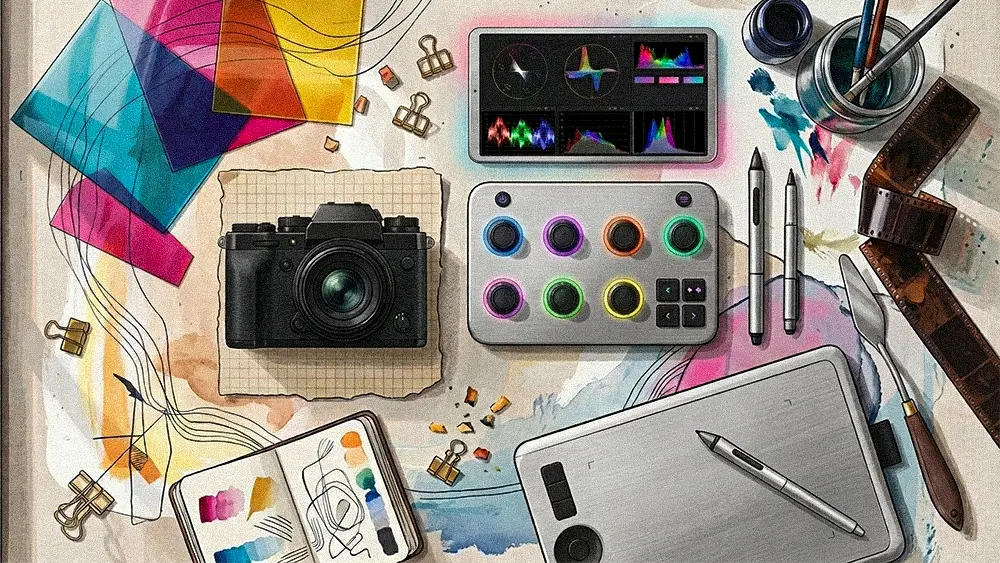
No pain, no painting: AI removes the struggle from creation, letting anyone produce work instantly. The iteration and effort that drive originality and cultural impact risk being bypassed in favor of speed and convenience. "AI miraculously removes that pain from creation, and we humans are maybe too lazy to handle that sort of power," he says.
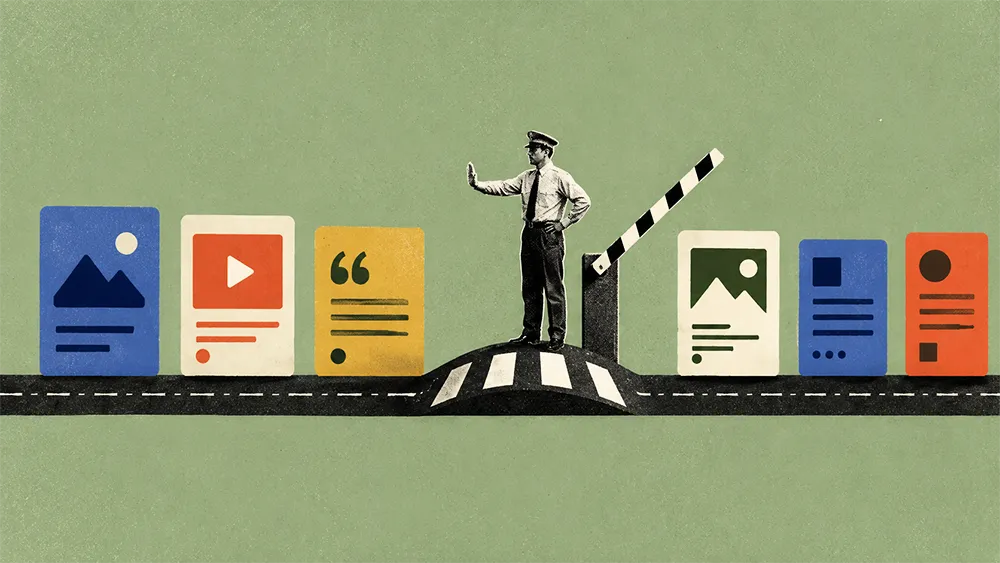
Partner, not pioneer: AI works best as a creative foil, not the source of breakthrough ideas. Teams get better results when they use it after the concept is set, expanding directions and stress-testing thinking without letting AI dictate the starting point. "It’s great at joining that brainstorm. But whenever I go to AI looking for a breakthrough idea, I never find it."
The friction factor: Peköz warns that the real danger is a slow slide into dependence. "One day, we will not be able to think without AI. People will lose their ability to do without it. The biggest danger is that it makes us lazy." The path forward requires intentionally designing friction back into the creative process. Teams can leverage AI as a collaborator for production and brainstorming while preserving the human struggle that drives cultural invention and emotional leadership.
As AI becomes a standard tool in creative work, the opportunity to amplify ideas grows. But human effort and intentionality remain what make work resonate. Peköz concludes, "Nowadays, you can use a fancy font that looks like handwriting, but an artist who hand-letters something will always look better. A custom-made piece of art for a specific purpose always connects more."