
Creative Vet Employs a Stills-First Framework to Deliver Broadcast-Ready 'Slop-Proof' AI Ads
Creative Director Mickey Micklos fights AI slop with a 'stills-first' workflow, delivering broadcast-ready ads. Learn his insights on AI's impact on jobs & creative craft.
Make Ad World News one of your go-to sources on Google


Large corporations are writing traditional ads and trying to shove that rigid process into a new AI box, and it’s coming out looking strange. Get an expert who can help you reimagine the idea so that it works with the technology as it exists right now.
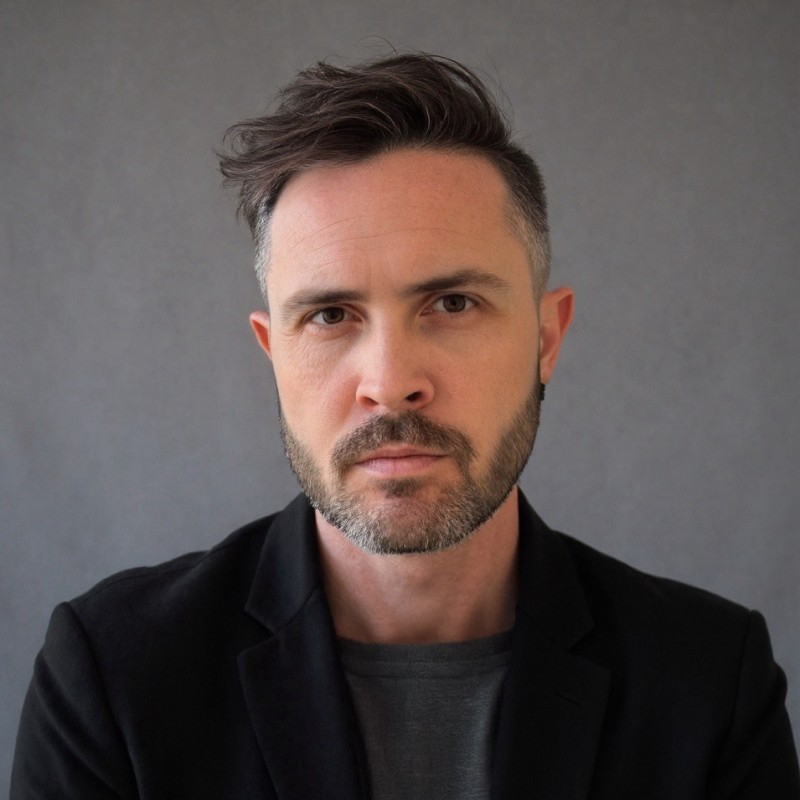
Mickey Micklos
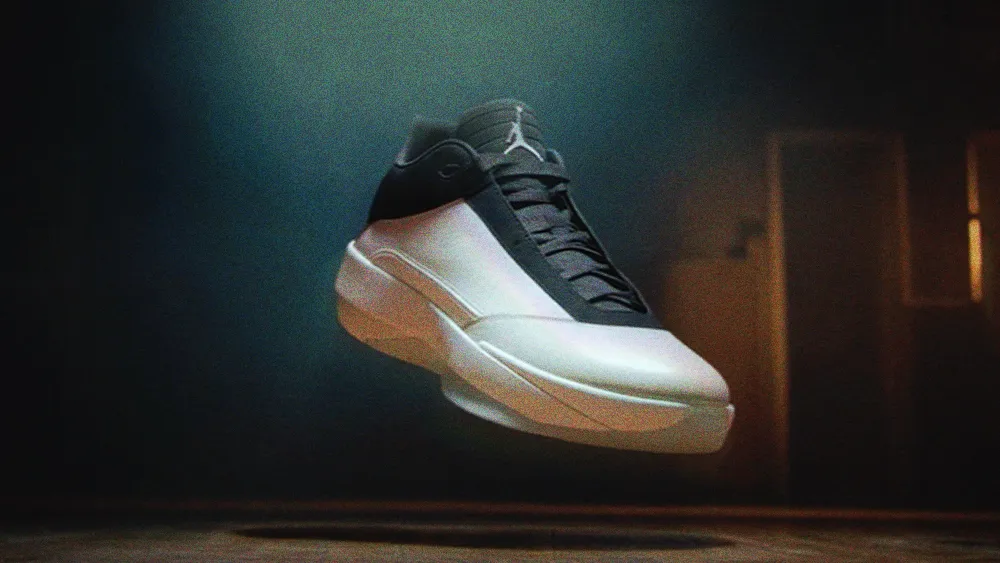
A flood of low-effort, uncanny AI slop is taking over social media feeds. While that content is shaping public perception, a different class of AI work is happening behind the scenes. In high-end advertising, broadcast-ready campaigns for brands like Air Jordan are being produced with AI, but without the backlash. The gap between the two proves the quality of the work still comes down to the artist, not the tool.
To uncover the new workflow for modern creative, we spoke with Mickey Micklos, a Creative Director, Visual Storyteller, and AI Innovator at the forefront of AI in advertising. With a history as a premium colorist and a portfolio of partnerships with major brands including Google, Lego, and Peloton, Micklos has built a career on the foundations of traditional craft. Now, he's applying that same dedication to quality to the world of AI, developing platforms like Dreamboards AI and producing fully-realized AI campaigns. He says the public's misunderstanding of AI is twofold, encompassing both its creative potential and the specific jobs threatened by its ascent.
According to Micklos, a key pitfall for large corporations entering the space is trying to force old methods onto new technology. He points to brands like Coca-Cola, which attempted to shoehorn a rigid script into a flexible AI workflow. "What large corporations are doing is writing a traditional ad and trying to shove that rigid process into a new AI box, and it’s coming out looking strange. The correct approach is to get an expert who can help you reimagine the idea so that it works with the technology as it exists right now," he says.
Super Bowl stumble: With a wave of AI-driven commercials expected for the Super Bowl, Micklos believes this corporate learning curve is about to reach a flashpoint, seeing advertising's biggest showcase as a painful but essential step toward industry-wide maturity. "This coming Super Bowl, there will be a ton of AI-driven ads, and we're going to have one more year of the public reacting with confusion and calling it all nonsense. But after that, the industry will start to learn its lesson. By 2027, we're going to see much better AI ads, and people probably won't even know they’re AI-driven," he predicts.
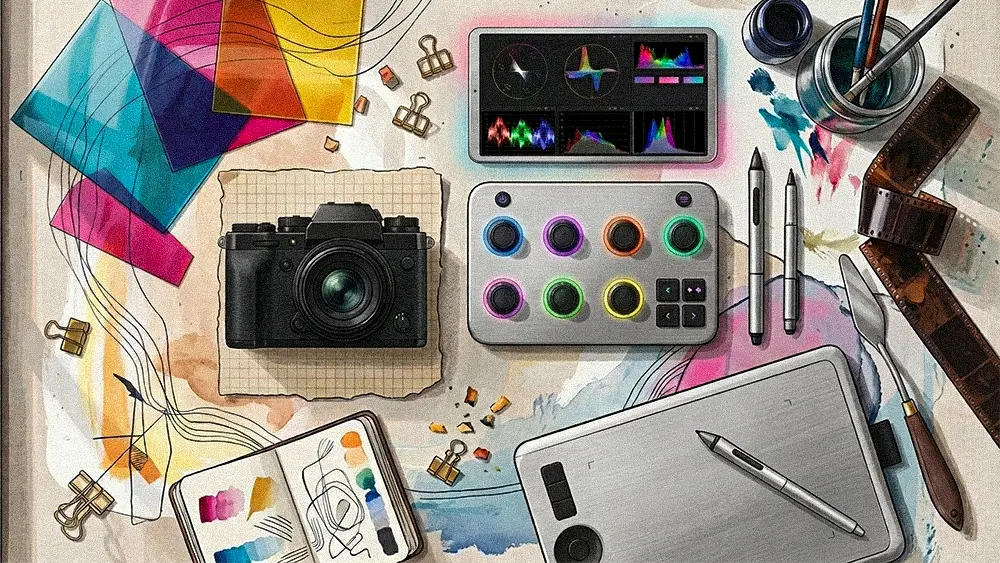
His "stills-first" workflow flips the common perception of text-to-video on its head. It involves meticulously creating and perfecting high-resolution still images, like fully rendered digital storyboards, before ever attempting to animate them. In this new, AI-centric process, the director's role becomes less about commanding a physical set and more about collaborating creatively with AI from a desktop. Micklos uses LLMs like ChatGPT to translate his vision into detailed prompts, embracing a process of constant iteration and an element of chance he calls the "slot machine" effect.
Hocus pocus: That methodical process is grounded in a pragmatic philosophy about advertising, allowing him to bypass ethical debates and focus purely on what works. "There’s an irony when people complain that an ad has no heart. Of course it doesn’t. My personal view is that advertising is spellcasting," he explains. "We are creating something to emotionally drive you to buy a product. So why are you so mad that it's fake?"
Recalling a frustrating experience on a job with Meta, Micklos tried out a simple camera-orbit prompt that worked for a colleague, but it failed repeatedly for him on a different character. To him, this proved brands needed to embrace a more flexible, iterative approach to creative. "Flexibility is key. I’ve turned down potential clients who were too rigid because I could see it would end in frustration. If a client is attached to a specific shot they wrote down, and the AI isn’t executing it, you have to be able to pivot to a different creative perspective to tell the story. You and your client have to be open to that conversation from the start," he advises.
But the most surprising consequence of this workflow, according to Micklos, isn't in post-production. From his perspective, the greatest job risk is on the physical set. With the creative process becoming desktop-based, he sees the diminishing role of the set itself. "Unfortunately, the people on set are the ones that are gonna be replaced. More than the people that are behind the scenes off the set," he says.
The Brooklyn effect: While this displacement may affect on-set roles, he predicts this shift will paradoxically elevate traditional filmmaking to the status of a luxury good. His forecast is a market split, creating a pendulum swing much like the rise of artisanal crafts in an era of mass production. "The ad space is going fully AI. But then you’ll see an upper echelon, the 1% so to speak, that will be able to afford to shoot traditionally. There will be a pendulum swing toward certain types of human-driven content that will really appeal to people," he says.
A word to the wise: For peers in the film business still hesitant to engage with AI, Micklos offers direct advice. "To the people in the film business who are still just thinking about trying AI, I say you are late. Stop thinking about it and go. You have to adapt or die. You have to embrace what's happening," he urges.
His work on an Uber Eats commercial proves the point. By focusing on close-up portraits, one of AI's current strengths, Micklos avoided the wider, more ambitious shots where the technology can struggle. For freelancers looking to adapt, he suggests getting messy, but with a plan: stick to a lane and master one thing well. For Micklos, the core of this survival strategy is proving one's value through effort. "What's better for your portfolio: two amazing things, or 25 mediocre things? It’s obviously better to have two incredible pieces that are worth the time you invested," he says.
For him, the advent of AI is a gift that renewed his entire creative outlook. "AI has made me a constant student again. I had reached a point in my career where I felt I could put it in cruise control, but this has humbled me," he concludes. "Now, the posture I take toward creativity is that I know nothing. If anyone is talking about something they’ve learned or done in AI, I’ll be in the front row, listening to see what I can learn."