
Why Streaming Consolidation is Freezing the Market Long Before Warner Bros Deal Closes
The Netflix-Warner Bros. deal is more than a merger. Robert Franke, CEO of Intaglio Films, says prolonged merger talks stall rivals, shrink the indie pipeline, and reshape streaming power early.
Make Ad World News one of your go-to sources on Google


Netflix will prioritize local shows over something which might not address a local audience 100%, and that will squeeze out all these really great shows and creative ideas which might not solely sit in one territory.

Robert Franke
Streaming is being transformed by industry consolidation, but the bigger influence might be the deal-making process, not the final merger. The potential Netflix-Warner Bros. deal serves as an example of how drawn-out timelines can paralyze a target company, freezing the ability to make key decisions or partner with others. The effect is a chill cast over an industry waiting to see where the pieces settle.
As CEO of Intaglio Films, Robert Franke spearheads the financing and development of high-end TV dramas such as The Swarm and Concordia. With over two decades of experience as a media executive, Franke's career includes senior leadership roles at major media companies like ZDF Studios and ProSiebenSat.1. His observation of the streaming consolidation wave points to a period of profound structural change, one that puts pressure on the ecosystem that fosters creative diversity.
Franke notes that Netflix has evolved from its earlier "local for global" catalog-building phase to its current, more selective "local for local" retention phase. Now that the catalog is full, its content needs are a fraction of what a traditional 24/7 linear broadcaster requires. “Netflix will prioritize local shows over something which might not address a local audience 100%, and that will squeeze out all these really great shows and creative ideas which might not solely sit in one territory, but across different territories," says Franke.
Attack of the clones: The change in strategy contributes to a creeping homogenization, enforced through algorithms and strict technical mandates that risk stifling the kind of unexpected, high-performing hits. Franke argues a "complete outlier" like Baby Reindeer wouldn't have survived Netflix's new look and feel catalog. "There is now a set of technical rules in place by Netflix," he explains. "If you want to produce for them, you have to use this type of camera, that aspect ratio, certain codecs. Everybody's forced to use the same cameras, forced to emulate certain visual standards that, by default, will make the overall offering more of the same."
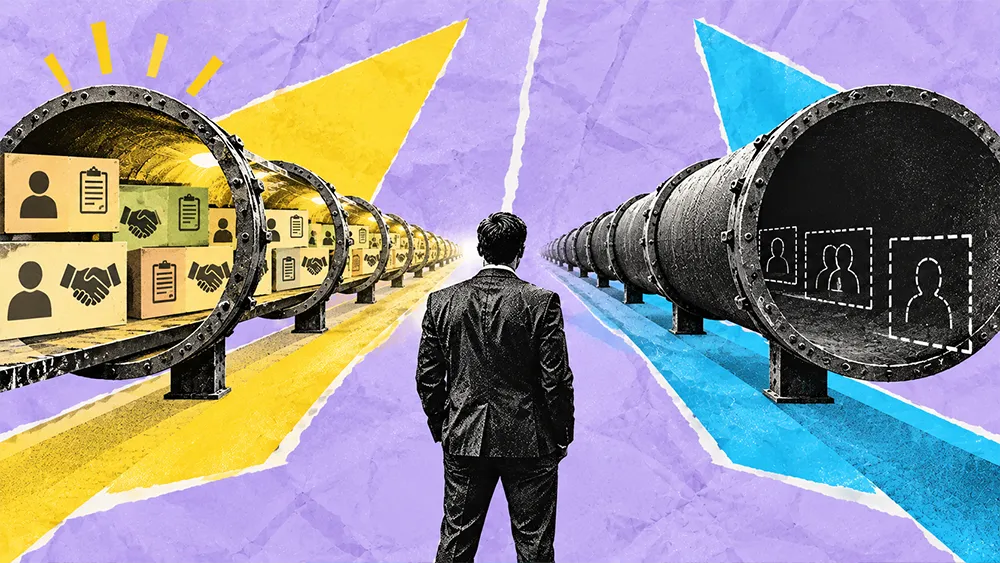
This pressure isn't just a Netflix problem. Franke says it extends across all streaming platforms, creating a high-stakes environment where scale is survival. For other major players like Paramount, the most viable strategy now appears to be growth, which means pursuing their own acquisitions. This creates a paradoxical cycle where the primary response to consolidation becomes further consolidation.
A game of streams: Such restructuring has drawn backlash from creators and unions, despite claims that it could benefit consumers. While the formal offer has received board support, the proposed deal still faces major regulatory hurdles and widespread Senate scrutiny, with some of the company's top leadership being called to testify. "It's a game of Risk where the continents are being taken by the big players," Franke says. "It's extremely hard to get more content into the pipeline because everybody is stuck within the boundaries of their own catalog."
Honey, I shrunk the indies: For Franke, this trend toward consolidation comes at a direct creative cost, driven by a change in strategy he has observed over several years. "A ripple effect of this overall market consolidation is that we'll see more producers going out of business in the next two years. For the smaller companies that might have gotten one show from Netflix per year, if they don't get that show, they won't make it. So we'll see that the overall producer ecosystem will shrink as well."
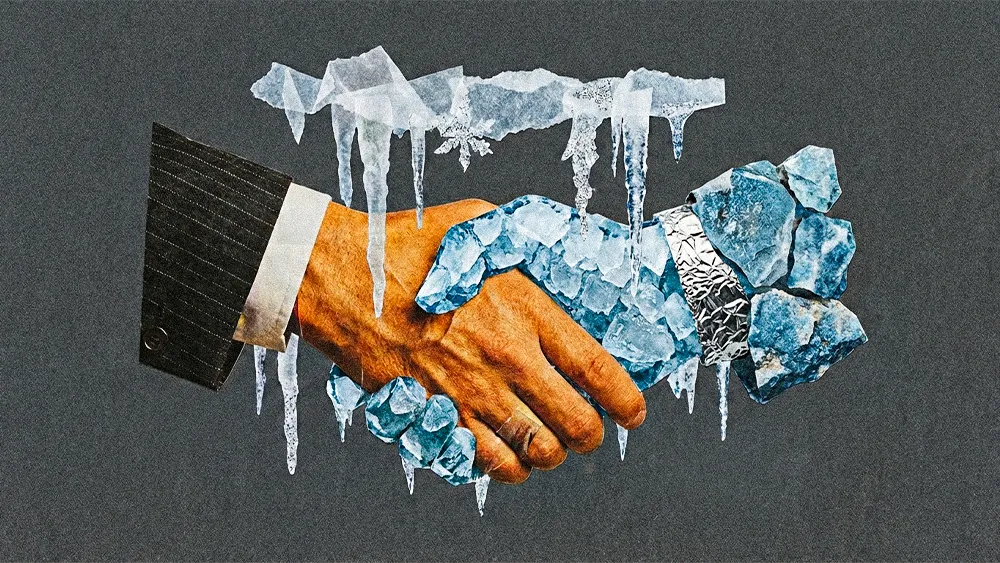
But what if Netflix has already won? According to Franke, the deal's true genius was never about the final handshake. He argues the primary advantage was gained simply by initiating the acquisition process, inducing a paralysis it was designed to create from the start. "They have frozen Warner Brothers' ability to make pivotal decisions and stopped any ambition within that group to be a competitor," he says. "They killed that ambition with one strike. For however long this process takes, Warner Brothers cannot sell significant content to competitors. That is the big win for Netflix."