
In A Constrained Budget Era, Playing It Safe Becomes A Costly Brand Strategy
Luis Miguel Messianu, Founder and CCO of MEL, explains how strong client-agency partnerships and shared accountability are central for producing breakthrough work.

Make Ad World News one of your go-to sources on Google


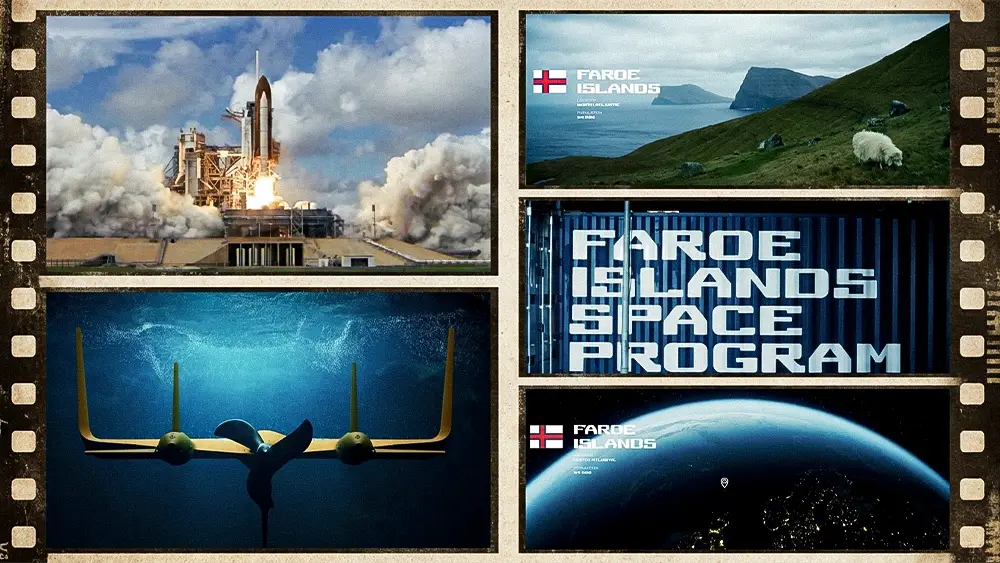
In this day and age, when budgets are so constrained, you have to convince clients to be brave and take smart risks. Otherwise, we’re wasting our clients’ money. Playing it safe doesn't protect the brand. It makes the work disappear.
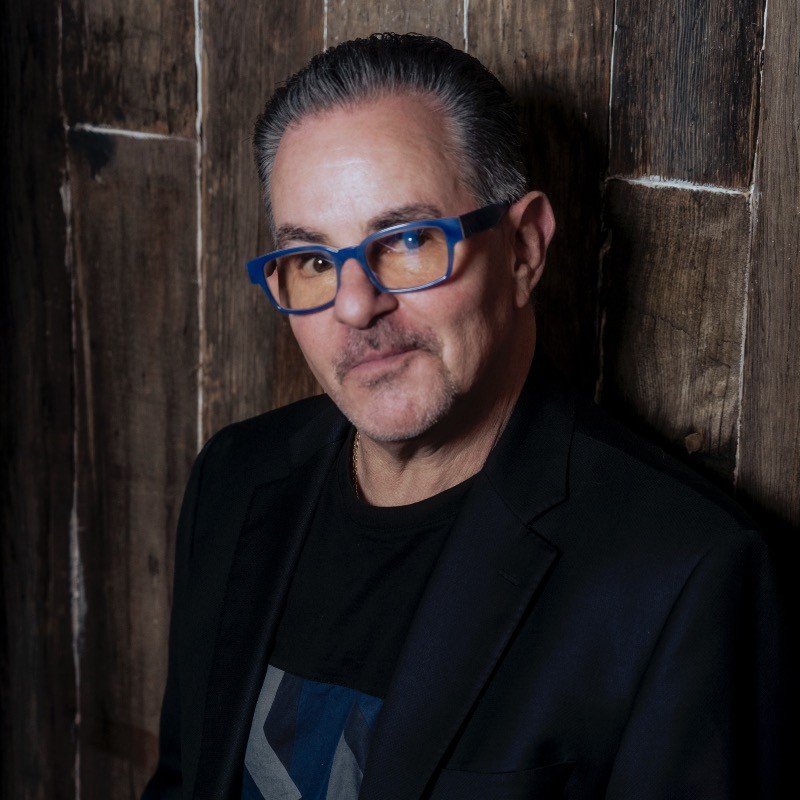
Luis Miguel Messianu
When marketing budgets are under pressure, a safe idea that goes unnoticed is more dangerous than a bold one that misses the mark. The long-held belief that conservative work protects a brand is now seen by many as an active waste of spend, especially as forward-thinking companies invest in ambitious experiential marketing endeavors and build immersive brand worlds.
Luis Miguel Messianu is a veteran creative advertising executive and the Founder and Chief Creative Officer of integrated creative agency MEL. For Messianu, the industry’s fear-based approach stifles innovation and fails clients. His philosophy reframes risk by treating creative bravery as a fiduciary duty.
"In this day and age, when budgets are so constrained, you have to convince clients to be brave and take smart risks. Otherwise, we’re wasting our clients’ money. Playing it safe doesn't protect the brand. It makes the work disappear," says Messianu. In an environment where attention is scarce and spend is scrutinized, invisibility is the most expensive outcome of all.
Game, set, match: Messianu likens bold ideas to a tennis match. Just as a player uses a putaway shot to score a decisive point, winning campaigns play right up against the edge. "You want to put the ball as close as possible to the line, but not outside it. If you put in the middle, it becomes advertising landscape, and it's forgettable," he explains.
Anchored in trust: To achieve this, Messianu says both agency and client must share accountability for pushing boundaries. "It takes two to tango. You need to work closely with clients to build that trust, to understand their challenges and pains and together keep at it. That is what breaks through."
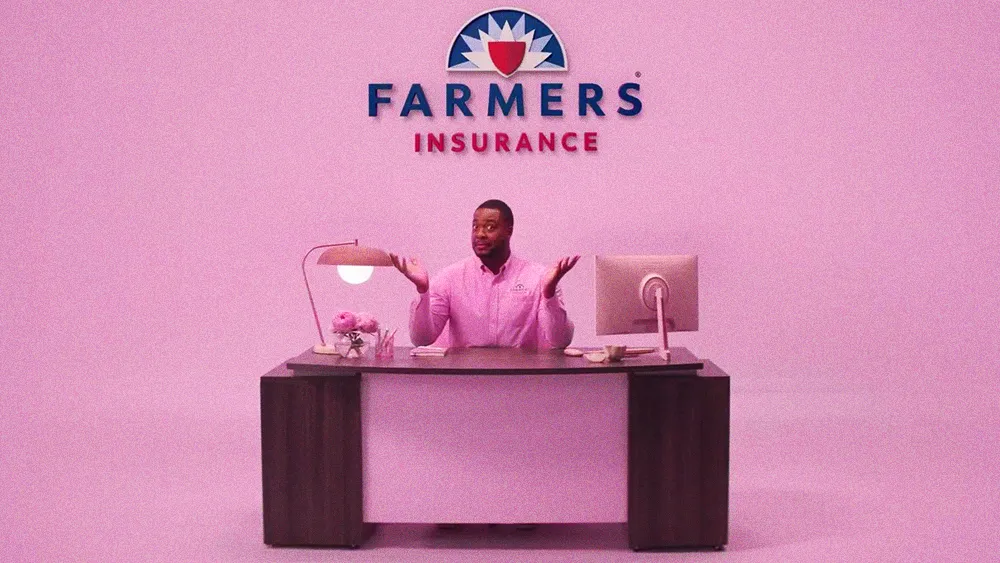
Messianu believes widespread risk aversion has led to a creative field that feels uninspired. "The work feels so beige. Would you go to an ice cream parlor and only want vanilla? You want different tastes and different colors." From his perspective, creative bravery is a disciplined business decision rather than an indulgence. In the attention economy, breaking through the beige requires "a labor of sacrifice" to carefully pare down and zero in on the correct audience.
Makes sense: "The job of a campaign in 2026 is to build a tiny, small world where people feel proud to participate, and then give them authorship inside that world." As an example, Messianu references multisensory campaigns that help encode a brand into a participant's memory through an experience. "It's no longer just about AR, VR or experiential," he says. "Immersive is evolving from stunts into always-on ecosystems, persistent virtual spaces, and live experiences that are updated like products, not one-off events. The creative brief is expanding to include sight, sound, sense, touch, and sometimes even taste."
Segment with precision: At the same time, the strongest marketers are equally aware of who they're leaving out. Messianu says that demands intense specificity, even if it means excluding some audiences. "You need to define the sweet spot. Think of it like a private beach. You aren't paying for access, you're paying for other people not to be there. That's the marketing game."
For Messianu, the call for human-led bravery takes on new importance in the age of artificial intelligence. Far from replacing creativity, he sees AI as a tool that actually raises the creative stakes. Though AI can open new revenue streams and serve as a highly effective revenue driver for brands, he warns that its reliance on past data will naturally pull work toward a middle ground. Here, he says the key differentiator is the one thing that cannot be automated. "Human imagination remains the most powerful technology ever invented. The quality of our thinking and our understanding of the intangibles are what will propel us," he concludes. "Only we can forge the future."