
A Content Expert's Framework for Balancing AI Hype with Authentic Customer Connection
Contentstack's Ben Goldstein shares how to balance AI adoption with authenticity using his high-empathy/low-empathy model.

Make Ad World News one of your go-to sources on Google


AI-generated video, AI-generated content, for better or for worse, this is the defining aesthetic of our age. It's easily identifiable and it's what everything online is looking like right now.

Ben Goldstein
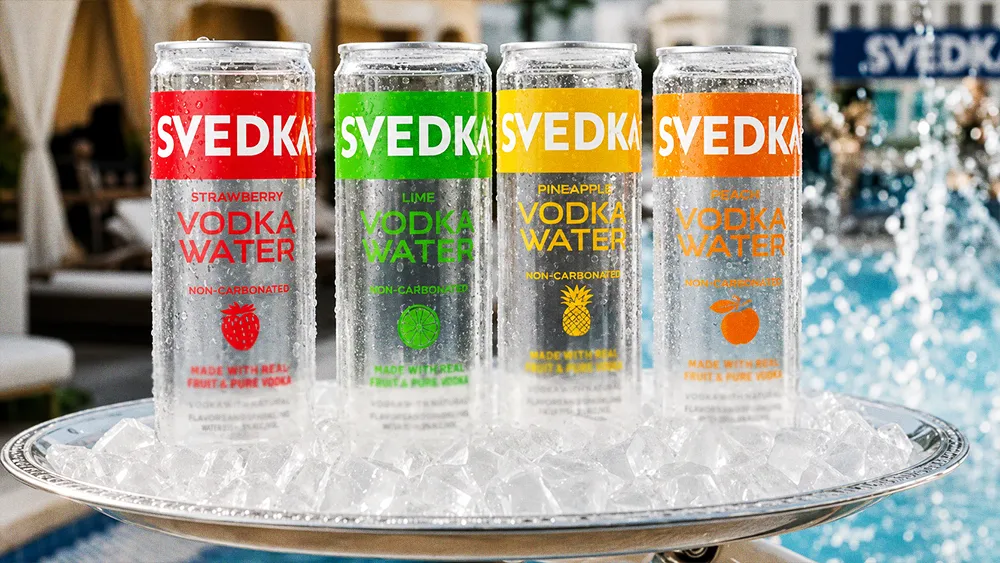
When Coca-Cola dropped its latest AI-generated ad, it put a spotlight on a core conflict for marketers. On one hand there is the pressure to adopt new technology, while on the other, there is the need to preserve brand authenticity. As many companies rush to embrace the slick, unmistakable look of AI-generated content, they risk chasing trends in conflict with genuine connection and missing the real opportunities of AI.
For an insider perspective, we spoke with Ben Goldstein, the Director of Content at Contentstack, who has built a career on driving organic growth by focusing on genuine connection. With a track record that includes increasing blog traffic by over 100x at Nutshell and building a 150-member expert community for Vitally.io, Goldstein brings a practitioner's clarity to the hype. A 5-time Jeopardy! champion, he believes the current obsession with AI-generated creative misses the point and that a backlash is all but certain. "AI-generated video, AI-generated content, for better or for worse, this is the defining aesthetic of our age. It's easily identifiable and it's what everything online is looking like right now."
The cost of inauthenticity: For Goldstein, the issue begins with brands chasing a fleeting look at the expense of a lasting connection. He describes the current AI style as a pervasive, but temporary, trend that directly conflicts with the foundational principles of brand-building. A staggering 92% of marketers find authentic user-generated content more effective than overly polished AI creative. Brands that build their identity on warmth and personal connection risk betraying their core values when they embrace this aesthetic. Goldstein adds, "Authenticity is so important for corporate brands right now that companies live and die by it. When I saw the ad, it felt so unnatural that my first reaction was that Coca-Cola is better than this."
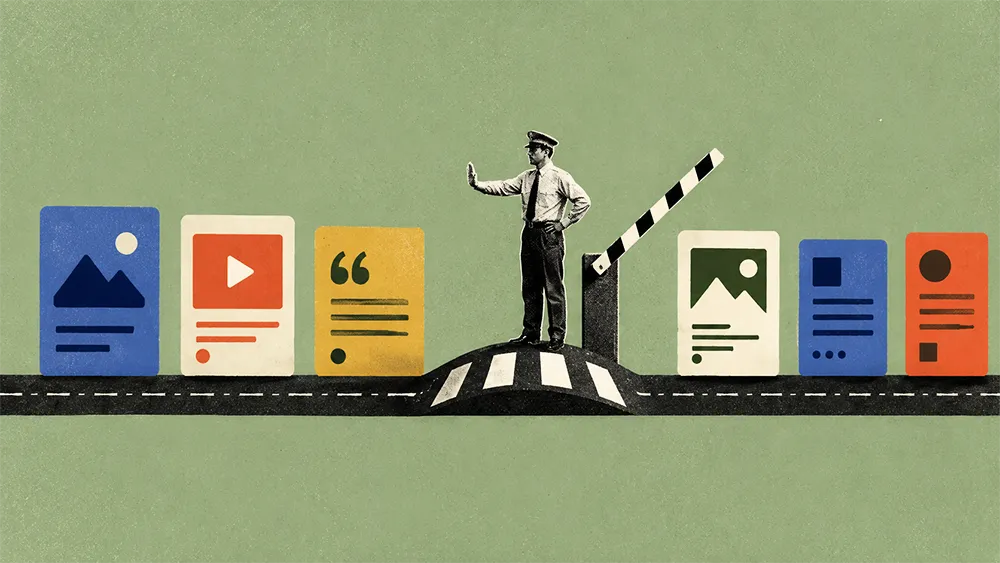
However, Goldstein believes brands should be asking how to integrate AI naturally in their workflows. In his framework, tasks are separated into two categories: high-empathy and low-empathy. The former requires human connection, while the latter is an ideal domain for AI. Misapplying AI in high-empathy scenarios, he suggests, can erode customer trust and damage a brand's reputation. Goldstein explains, "Where brands go wrong is using AI in situations that require empathy and genuine human connection. The most obvious example is when companies lay off frontline support workers and replace them with AI chatbots. Customers don't like that; they don't get the answers they want because the chatbots lack context. That is a high-empathy scenario, and using AI in those use cases damages your brand. Brand advertising falls squarely into that bucket because you're trying to win hearts and minds."
This approach clarifies AI's role, positioning it as a tool to enable human connection at scale. As AI and creative media converge, brands can create what Goldstein calls adaptive experiences.
Low-empathy labor: AI excels at tasks that are repetitive, data-intensive, and do not require emotional intelligence, making it an invaluable assistant to human teams. Goldstein shares, "I use AI tools every day for what I call 'low-empathy tasks': research, data analysis, repeatable workflows. Anything that is not customer-facing. For example, I could use AI to mock up an advertising concept and then give it to my human designers so that they actually create something that's on brand and polished."
The audience of one: This strategic application of AI unlocks unprecedented levels of personalization, moving beyond broad demographic targeting to cater to individual needs and preferences. Goldstein states, "The sharpest use case for AI in the future is creating messaging tuned to audiences of one, meaning individual human beings. Marketers have been stuck in a marketing-to-segments, marketing-to-personas mode for decades. We're just now seeing the ability to create one-on-one experiences. It's about helping a visitor answer questions faster."
Better human moments: Goldstein's model also applies to the booming world of live events. He explains that his own company uses AI for the 'low-empathy' task of data analysis to improve the 'high-empathy' experience of the event itself. By leveraging data to understand attendee preferences, AI can help craft more engaging and relevant in-person interactions. Goldstein adds, "We're thinking about ways to use AI to shape future content. The data analysis we get from AI tools helps us determine what talks, sessions, and keynotes we should deliver based on what we know about our customers, which helps us create better experiences in the real world."
Ultimately, the data backs it up. Goldstein points to research from his firm showing that 71% of buyers already prefer interacting with AI for tasks like product recommendations. He concludes, "It's just data analysis, and it aligns with a better experience for the end user. They just want a right answer that has their context and is going to help them get to what they need faster."