
Waymark VP Says CTV Creative Is Going Modular As AI Ends Static, One-Size-Fits-All Advertising
Hayden Gilmer, VP at Waymark, sees AI turning CTV ads from fixed spots into modular creative that adapts by audience, timing, and intent.
Make Ad World News one of your go-to sources on Google


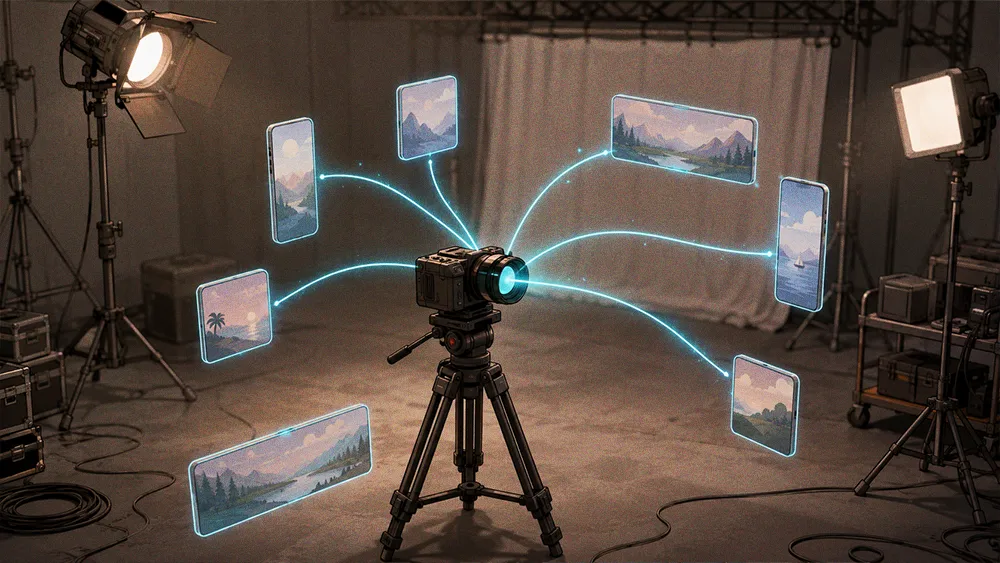
We’re starting to think about creative not as one piece, but as multiple pieces that can change based on who you’re targeting, what you’re trying to do, and when the campaign is running.

Hayden Gilmer
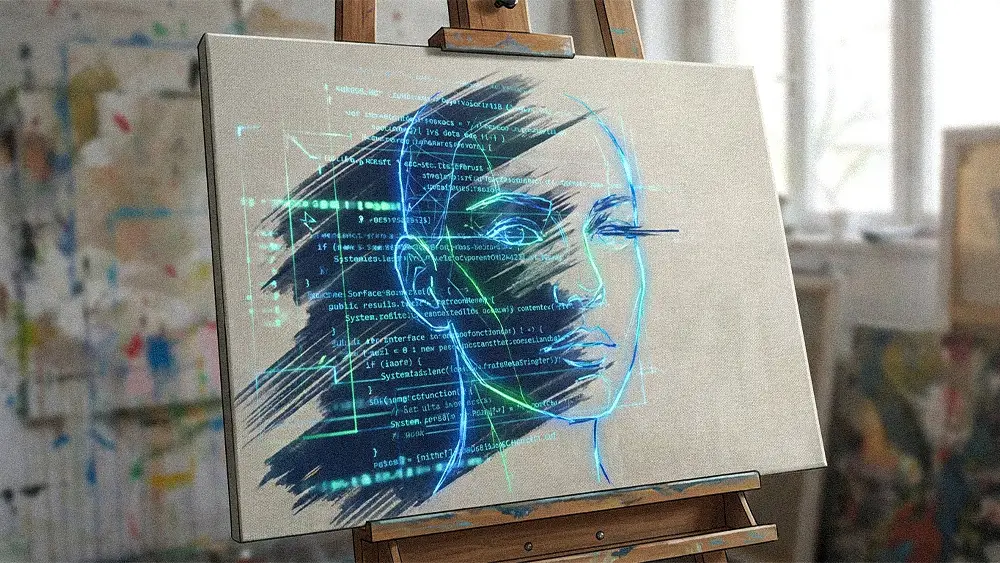
Most television advertising still plays by rules written decades ago: one commercial, one message, and millions of eyes. Meanwhile, social platforms have trained audiences to expect ads that feel timely, specific, and eerily accurate. AI is now closing that gap by turning CTV creative from a single, one-to-many broadcast asset into a flexible system that adapts to audience, timing, and intent. Generic advertising is running out of excuses as TV creative learns how to adapt.
Hayden Gilmer is the VP of Revenue at Waymark, where he drives marketing, sales, and customer success. A startup revenue leader with an MBA and a background in sales and partnerships at companies like Storyblocks, Gilmer has spent his career working at the edge of creative and technological change. For him, the current shift in television advertising is less about the tools themselves and more about a long-overdue reorientation toward the business problems they can finally help solve.
"We’re starting to think about creative not as one piece, but as multiple pieces that can change based on who you’re targeting, what you’re trying to do, and when the campaign is running," says Gilmer. It’s a clear departure from the traditional TV playbook. Rather than being locked in at launch, creative can evolve as goals and audiences change.
AI agility: The old model treated the ad as a single, expensive asset pushed to a mass audience, Gilmer explains. "Creative used to be one-to-many. You’d develop a commercial, place that commercial, and everyone saw the same thing." With AI, the new model enables agile and timely campaigns that can be adapted on the fly.
Time to socialize: Here, Gilmer points to social media as an example of what TV advertising could become. "When you look at how personalized social feeds are, and then you turn on TV, and the ads don’t really hit what you’re looking for, there’s a clear disconnect. AI is how those worlds start to blend."
The shift is also changing who gets to show up on TV. For decades, high-quality television advertising was reserved mainly for brands that could afford long production timelines and six-figure shoots. Now, AI-powered tools are loosening that grip, making it possible for smaller, direct-to-consumer brands and even local advertisers to produce work that holds up creatively. The advantage is no longer limited to those with the biggest budgets, Gilmer explains. "It's leveling the playing field for a lot of advertisers."
But this new capability isn't without risk for brands. High-profile backlashes against AI-generated ads from giants like McDonald's and Coca-Cola have already highlighted the importance of brand perception.
Who cares?: For most brands, the defining question becomes how to deploy AI, a decision Gilmer notes is entirely brand-specific. "We ask advertisers, 'Do you care if your consumers find out that this is an AI video? If they found out that the commercial was fully AI-generated, how would they feel about that?'"
Rather than an all-or-nothing shift, however, Gilmer frames AI adoption as a set of choices. Brands can keep real footage, real people, and a familiar look while using AI to produce more versions, deliver faster updates, and align more closely with different audiences. What changes isn’t the feel of the ad, but how easily it can evolve.
Betting on AI: The payoff is already showing up in real campaigns. For Betr, the sports betting app owned by Jake Paul, AI made it possible to use his likeness without the cost, scheduling, or production overhead of a typical shoot. "We didn't have to get on Jake Paul's calendar, which I imagine would have taken months and lots of money to send a film crew. We were able to build something that was done in literally two days, including feedback from their team," Gilmer explains.
Made to order: That flexibility turns what used to be a fixed ad into something that can keep pace with live campaigns. "A lot of Betr’s commercials revolve around a call to action, usually signing up with a promo code, and those details change constantly," Gilmer continues. "AI makes it much easier to update that content quickly, which pushes TV creative closer to a one-to-one experience."
For Gilmer, everything points in the same direction: the wall between performance-driven digital advertising and brand-led television is coming down. And with moves like Pinterest's acquisition of TVScientific, the convergence is no longer speculative. The future of television advertising will be defined by how well it adapts to the audience watching. "We're moving toward taking the experience from social and web and combining it with TV," he concludes. "It’s going to be done through measurement and personalization, definitely on the ad creative side, but also on showing it to the right people at the right time as well."