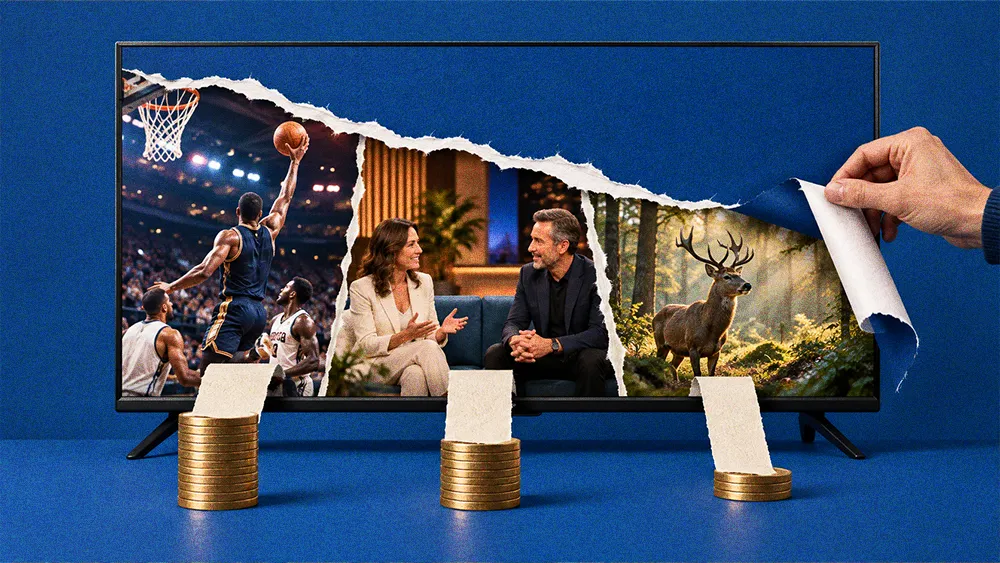


Return on ad spend was always a spend question. We shouldn't be trying to answer a growth question with it.
 Matthew WurstChief Marketing Officer @ Genuin
Return on ad spend has done exactly what it was designed to do for three decades: tell marketers whether they spent efficiently. What it's never done is tell them whether they earned anything. That gap has shaped an entire industry, training marketing teams to optimize the cost side of a two-sided problem and treat the answer as complete. The brands and publishers pulling ahead now have stopped thinking like buyers and started thinking like owners, building media infrastructure and audience relationships that keep generating revenue long after the campaign flight ends.
Matthew Wurst is the Chief Marketing Officer at Genuin and has spent more than two decades building and leading media, marketing, and engagement businesses. He previously led the social and digital practice at 360i, served as Managing Director of Revelation within the Webedia network, and has held CMO and senior leadership roles across agency, platform, and technology companies. For Wurst, updating the modern marketing model starts with rethinking the very metrics the industry was built upon.
"For 30 years, ROAS has measured whether you spent well. It never looked at whether you earned anything," he says. "Return on ad spend was always a spend question. We shouldn't be trying to answer a growth question with it." The fix he proposes keeps the acronym but changes the question underneath it.
The whole industry optimized in one direction
The reason the gap persists is that every piece of infrastructure the industry built points the same way. "The entire industry has been built around the idea of spending efficiently. Agencies, trading desks, attribution vendors, the whole CPM and viewability stack. All of it is optimized in one direction: spend better, spend less, waste less. Nobody built the equivalent muscle for the other side of the ledger," Wurst points out.
The consequence is that marketing teams have been trained to think smaller. When every campaign must prove immediate efficiency, the incentive to build something that compounds over six or twelve months evaporates. The spreadsheet wins and the brand loses, which is part of why the industry is now rethinking whether its measurement standards actually measure the right things and why the conversation is shifting from ROAS toward incrementality.
Wurst's proposed reframe is deliberately provocative in its simplicity: keep the letters, change the R. "Flipping the meaning of the R in ROAS from return on ad spend to actual revenue from ad spend is the shift that I wish I could turn on overnight," he says.
Ad networks rent. Media networks own.
The structural distinction Wurst draws is between two business models that get conflated constantly. "An ad network aggregates inventory it doesn't own and resells it. A media network monetizes audiences that it does own. The businesses winning right now are thinking like owners."
That ownership changes what a placement is for. Instead of paying for reach, co-sponsor dollars can offset a buy. Instead of attribution resetting to zero the day the media plan ends, commerce and attribution compound.
The diagnostic Wurst offers CMOs is a single question applied line by line. "Look at every placement. If it's not generating revenue that compounds, it's just spending down a budget. That's the line item to rebuild," he advises.
The concrete versions already exist. Publishers extending owned and operated experiences across the open web onto third-party surfaces, so the audience relationship keeps monetizing off their property rather than only on it. Media companies layering direct sponsor demand as a revenue floor beneath their inventory instead of leaving it to open programmatic. Same content, same audience, structured to earn rather than to run ads against. It's the same logic driving the broader evolution of commerce media and the competition now emerging over onsite retail inventory.
The trouble with rented reach
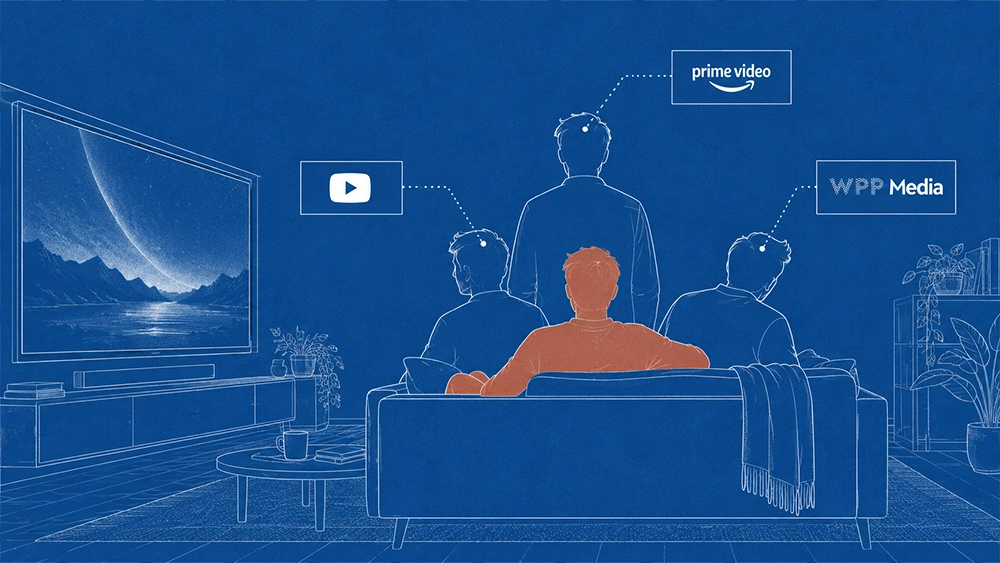
Wurst's critique of walled gardens is what they cost in ownership. "They account for reach, but they're not always open, transparent, visible, or even directly attributable when it comes to driving conversion," he notes. "The cost of acquisition is going up and the traditional return on that ad spend is going down. They've surrendered ownership of their relationship with the consumer to those platforms."
That surrender is the pattern he doesn't want repeated. As platforms move to fully automate advertising, and as engagement migrates into conversational interfaces, the same dynamic threatens to play out again. "I don't want that same mistake to happen with LLMs, but it could, because now if all of the engagement is happening inside ChatGPT and Claude, the value that publishers and creators and brands hold is going to be further surrendered."
In Wurst's view, reclaiming that value starts with owned and operated channels and extends outward into other trusted environments where contextual relevance holds. That extension of working media beyond the walled gardens is where Wurst sees the durable advantage, and it depends on trust. "When I go to a sports website and I trust the information there, the brand itself is trusted. Those who choose to put content or ads there can borrow trust from that environment. That's why the context matters."
He's explicit that this is not about abandoning social, and that optimizing for GEO, AEO, and LLM visibility still matters. "Rethinking how much you push and how much you pull is an existential requirement right now for 95-plus percent of the industry."
AI is what makes ownership operationally possible
The question Wurst often gets from peers is where AI fits if the model is being rebuilt. His answer is that AI is the enabler, not the headline. "AI is what makes owning and monetizing an audience at scale operationally realistic now in a way it wasn't five years ago. The headline is still the economic reframe, spend versus earn. But the technology now is what can make that possible."
That capability is already reshaping how campaigns are planned and bought, and automated video creative is opening revenue streams that were previously uneconomical. The point is not to layer AI onto the same rented-reach model. "Don't just bolt AI onto the same rented-reach model. The shift is toward infrastructure you actually own."
What changes in the CFO conversation
Wurst is direct about why the reframe matters to the finance side of the house. "The old ROAS asks whether you spent efficiently. The new one asks whether you earned anything. A CFO wants to hear about revenue, not just cost. The industry has been treating those as the same question. They're not."
If it were only semantics, nothing would have to change, but the shift materially alters what a CMO invests in, what they build, who they partner with, and what they report. Wurst is clear about who this helps and who it challenges. "It helps publishers and brands that already own a real relationship with their audience, that have some semblance of trust, and can extend it, monetize it, and keep earning from it after the initial spend. Anyone whose model is renting reach and hoping it converts is digging a bigger hole. If your media plan still leads with cost, you're running on infrastructure to take money from you, not make money for you," he concludes.