
This Year, Constraint Beat Celebrity Budget in World Cup Advertising
Gian Carlo Lanfranco on why L&C's World Cup work for SKYN proves a hyper-local cultural insight outperforms an eight-figure celebrity media buy.

Make Ad World News one of your go-to sources on Google


You can create the best ideas out of limitations. I don't necessarily need the five million, four million, three million dollars, and the whole media spend to generate conversation. I can do it if I innovate within my brand or my product.
Gian Carlo Lanfranco
For years, the default strategy for World Cup and Olympic advertising ran on a simple formula. Pay a massive fee for a famous athlete, drop them into a generic commercial, and watch the views roll in. That math is getting harder to defend when the official Fox and Telemundo packages start at $15 million, and the shoulder programming around them runs at half the CPM. Brands without Fortune 500 budgets are finding that a culturally grounded idea travels further than paid reach.
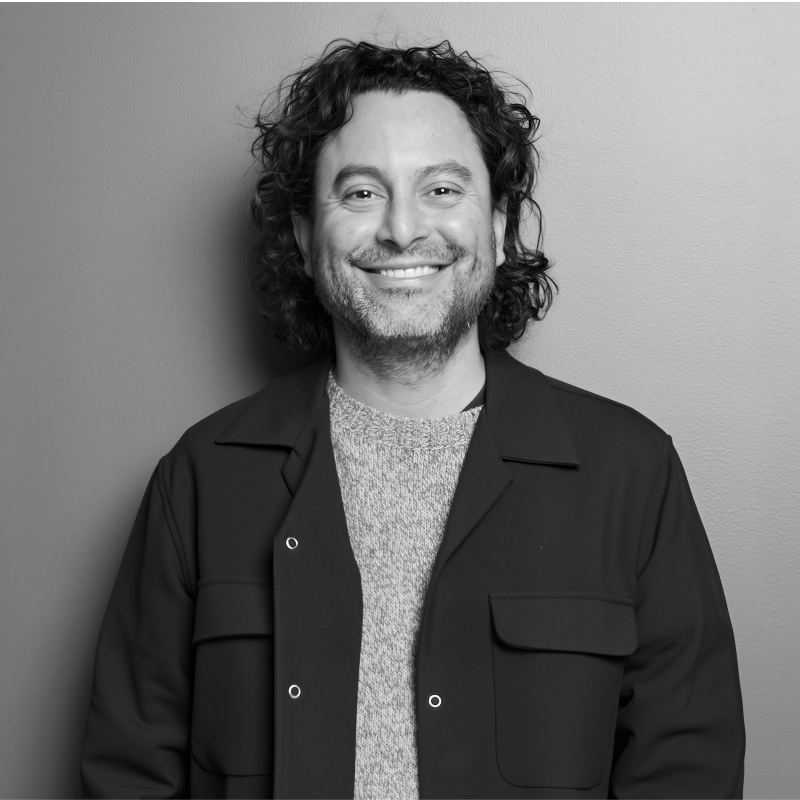
Gian Carlo Lanfranco is Co-Founder and Chief Creative Officer of L&C, the independent shop named Ad Age's A-List Newcomer Agency of the Year and Cannes Lions Independent Agency of the Year for Good. He cut his teeth at Wieden+Kennedy and McCann before going independent, and has served repeatedly as a Cannes Lions juror. His argument is that the limitation is the asset, since the brands with the least to spend are the ones forced to find something worth talking about.
"You can create the best ideas out of limitations," Lanfranco says. "I don't necessarily need the five million, four million, three million dollars, and the whole media spend to generate conversation. I can do it if I innovate within my brand or my product." Global campaigns have to appeal to everyone, which flattens the specificity of the messaging. Regional work carries no such obligation.
Lateral local thinking
Narrowing the audience frees creatives to get, as Lanfranco puts it, "a little more lateral on the thinking." He points to Tecate's Welcome Back, Paisano in Mexico, a platform that committed to employing 130 repatriated workers across the brand's convenience store network, as a brand claiming a hyper-local space that no global brief would have surfaced. Coverage does the distribution work that a media buy would otherwise have to pay for.
Soccer language, language of love
L&C's World Cup activation for SKYN condoms started from that same position. The agency first explored hacking a real highlights reel before budget forced a tighter pivot, and the constraint pushed the team toward an emotional overlap between football fandom and physical intimacy. "We took that passion element because you lose your mind, you're out of control, and it's sort of the same when you're intimate," Lanfranco says. "That's when we tried to reinterpret the line for SKYN." The work that resulted extends the brand's "Feel Everything" tagline into the tournament without buying a second of tournament inventory, first through close-up portraits of fans whose faces read as something else entirely, then through a heat map that tracks chemistry instead of player movement.
Social platforms police intimacy aggressively, which means the campaign had to communicate its subject without depicting it, and Co-Founder Rolando Cordova frames that as the question the work had to answer. The tension before a couple becomes intimate turned out to be the way through. "That gave us the creative framework: let's use soccer language and match it with the language of love," Cordova says. Sports commentary became the workaround, a register that conveys meaning while remaining legible to moderation systems.
Faking it for real
The whole thing rests on the fake reading as real. In a feed, that judgment happens in the first few seconds. "We did a very extensive casting, and we actually used a studio where they film a real sports program," Lanfranco says. "If in the first five to ten seconds you feel like you're on ESPN, then the delivery will be easy. But if we fail those first five to ten seconds and the commentators feel too gimmicky or fake, the whole thing falls apart." The team leaned on universally legible tropes, including a parody of the pottery scene from Ghost, and built the spot for the places fans already gather to dissect match stats.
Sarah Knutson, who worked the account, watched the opposite risk take over once the setup held. Over-explain the joke, and it dies. "We were just constantly asking each other every five minutes if it looked good, if it felt right, and if it was reading well," Knutson says. "And I think that incredibly rigorous creative process was where those answers were coming through."
Product as protagonist
Celebrity still works when the famous face serves the idea instead of standing in for one. Lanfranco cites Stella Artois hiring Beckham as a hand model, his face left out of the billboards on the grounds that it was too distracting, and Heinz turning ketchup and mustard into oversized penalty packets that mirror the tournament's own red and yellow cards. "LEGO just did a fantastic ad," Lanfranco says. "It's the first ad of the World Cup where the celebrity doesn't eat the product. Actually, the product is the hero. The celebrities are just dancing with the product, so everyone remembers it's a LEGO ad." Knutson puts the failure mode plainly. "It seems like it would be logical and the most direct way, right? But it actually ends up being so backward. You gave them some information here, but they aren't excited."
Wearing multiple hats
Pulling an idea like that off puts creatives closer to production, budgets, and the client conversation than the job used to require. "It's important for creatives, especially now with AI and everything that is happening, to know the full playing field," Lanfranco says. "Creatives need to be a little bit producers, a little bit account managers, but also creative enough to come to the client with truly lateral thinking." Nobody buys a condom at halftime, so L&C tracks a World Cup spot on attention and curiosity instead of anything resembling a sale. "Even before selling the condoms, it needs to feel like the audience is smiling, that they're being entertained," Lanfranco says. "If they even click on the SKYN Instagram, we've already won."
What separates the work that lands from the work that disappears is a clear read on the difference between long-term brand building and a contextual, in-the-moment reaction. That distinction is why the tournament's sixteen host cities have been such fertile ground for brands operating without a sponsorship. Brand DNA keeps the reaction anchored, which lets marketing slot into what audiences already care about rather than interrupting it.
"People are going to see and feel when you're doing something that is authentic and straightforward. We're not pretentious," Cordova says. "We know people like the highlights. So we thought, okay, that's a simple idea that we can turn into something that can persuade people to buy the SKYN brand."