
Google And Meta Now Rewrite Ad Creative After Sign Off. Brands Are Reclaiming Control.
The Ad Podcast host Dylan Conroy on why AI-default ad platforms are stripping brand control, why follower counts stopped mattering, and what still earns attention.
Make Ad World News one of your go-to sources on Google


When a brand makes something cool, and it entertains or inspires or educates or makes me want to lean in and view it, those are the brands that I think are getting an outsized share of the attention economy.

Dylan Conroy
Automation is rewriting ad creative before it reaches an audience, and advertisers are losing the ability to say what their brand looks like when it does. As Google and Meta shift AI optimization from an option to the default across the ad stack, the change now extends beyond media placement to the creative itself, allowing platforms to rewrite copy, swap video backgrounds, and add or remove elements after a brand has signed off. For companies in regulated categories or bound by strict brand guidelines, that trade-off puts the platform's performance goals ahead of the brand's own standards.
Dylan Conroy is Host of The Ad Podcast, the interview show where he sits down with C-suite leaders from brands, agencies, media companies, and ad tech to map where consumer attention is moving. Coming into advertising after a decade in film and television development, Conroy spends most of his week talking to the media buyers living inside these platform changes. What he sees changing comes down to who holds the controls.
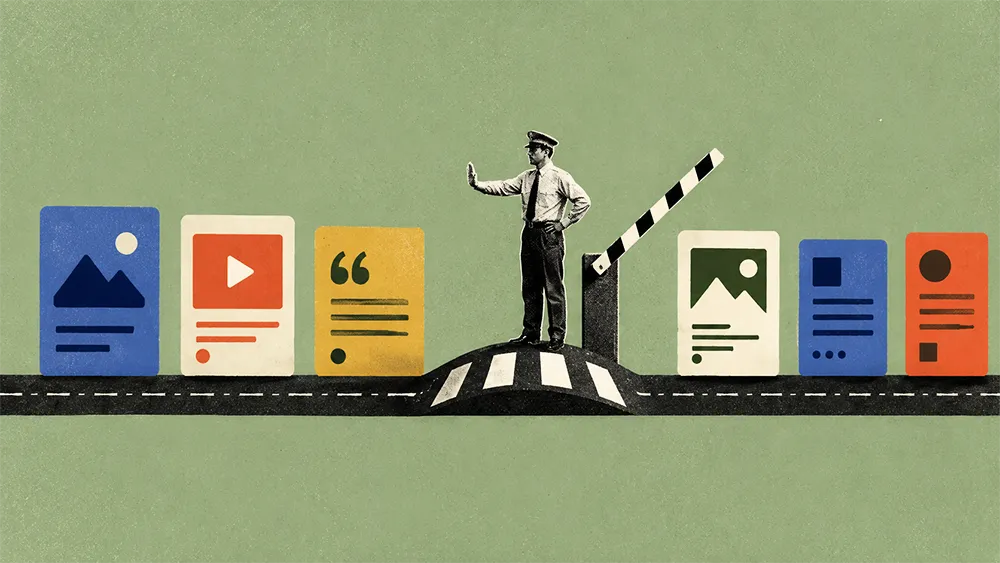
"The biggest concern brands are having right now is that the two biggest walled gardens in the world, Google and Meta, are moving to AI optimization as a default versus a choice. And that's not just in the placement of media. It's in the creative," says Conroy. Upload a set of taglines and imagery shaped by a brand's approval process, and the platforms can change the wording, swap the background on a video, and add or remove elements without the advertiser steering any of it. Meta has been systematically dismantling manual controls, folding creative generation into the same automated layer that already runs targeting and budgeting.
Programmed to the middle
The default setting exists to push volume through the system faster, and Conroy grants that it works for most of the market, but the trouble lives in what "most" leaves out. "The reality is AI always programs to the middle. So while these changes might be helpful for 75% of advertisers on the platform, for companies that work in regulated industries or just don't want their brand to show up in ways that they don't have control over, it definitely raises a lot of questions," he says. A pharmaceutical advertiser or a financial brand cannot afford a system that averages its message toward what performs for everyone else, which is why more agencies now put a creative director in a brand-guard role to catch what the automation changes.
Storyboards that ship
The same generative tools reshaping platform delivery are also changing how creative gets sold in the pitch room. Where a team once built a mood board or stitched together ripped footage into a rough proof of concept, agencies can now arrive with polished executions that show clients almost exactly what the finished project could look like. Conroy sees a clear advantage in that precision: clients get a much sharper sense of the idea before production begins, which can make the pitch easier to sell. But that certainty can come with a creative cost. A shot-for-shot preview can lock a concept in place before production even starts, leaving less room for the deviations, accidents, and discoveries that often make the final work better. For now, rendering AI video in short clips and stitching them together remains slow and expensive, though Conroy expects both to become easier as the technology improves.
Creators as core spend
Creator partnerships have moved from the experimental margin to the center of the budget, and the reallocation is aggressive, mirroring how AI has pushed brands toward occasion-based creative systems built to run at scale. Some marketers now direct as much as half of total marketing spend toward creators, a shift visible in Unilever's move to put up to 50% of its advertising behind social and influencer work. Conroy frames the appeal as range. "Creators are such diverse Swiss Army knives; they can be used for so many different parts of the marketing funnel. They're focus groups, they're research, they're media, they're PR, they're creative execution," he says. That versatility continues to pull more budget into the channel.
The follower count fallacy
What has collapsed underneath that spending is the old currency. Follower counts no longer decide who generates value, which reorders how brands source content and who they treat as a creative asset. "Now it doesn't matter if you have a lot of followers. If you create an interesting video and put it up on social, it's really about at-bats and good creative content. Somebody with five followers or five million followers has the same potential to generate a lot of earned media," Conroy says. The math points to people already close to the product, and Gap's decision to open its creator program to frontline store employees is the clearest expression of it, with staff who touch customers and merchandise daily absorbing work that used to be routed through influencers with built-up audiences.
The same logic extends beyond payroll to customers who already tag the brand on their own. Conroy describes brands identifying organic advocates whose content performs well, then licensing it and compensating them, often with points or rewards rather than the multimillion-dollar contracts that defined the old model. As everyone becomes a creator to some degree, he expects the middle of the influencer funnel to compress, leaving brands with their marquee names at the top and their employees, customers, and advocates at the base. That reward-loyalty layer adds a stickier, less transactional form of engagement to relationships a brand already has.
What earns attention
Conroy's read on what actually breaks through traces back to his years in entertainment, and it comes down to a simple test: whether people would choose to watch. The brands winning outsized attention build content experiences people seek out, the way Red Bull acts like a publisher or the way F1's Brad Pitt film turned a sponsorship ecosystem into a cultural event that reached far beyond ticket buyers. That thinking shows up in the cultural-event campaigns that outlast their own media window, with the brand woven into the experience people came for.
That standard runs counter to the direction the platforms are pushing. Automated creative optimizes for the skippable ad, the placement a viewer pays to avoid, at a moment when consumers can turn most advertising off. The brands Conroy sees claiming a disproportionate share of attention are the ones making something worth the choice to stay. "When a brand makes something cool, and it entertains or inspires or educates or makes me want to lean in and view it, those are the brands that I think are getting an outsized share of the attention economy," he says. Whether a system programmed to the middle can make something worth leaning into is the question these platforms have yet to answer.