
Radio's Next Test Is Turning Its Reach Into Numbers Advertisers Can Defend
AURN CEO Chesley Maddox-Dorsey on why radio's next move is proving the value behind its reach, translating trust and attention into the measurable outcomes advertisers now expect.
Make Ad World News one of your go-to sources on Google


I need to hear a message a few times for it to stick. That’s where radio works. It builds awareness, keeps you top of mind, and calls for action.
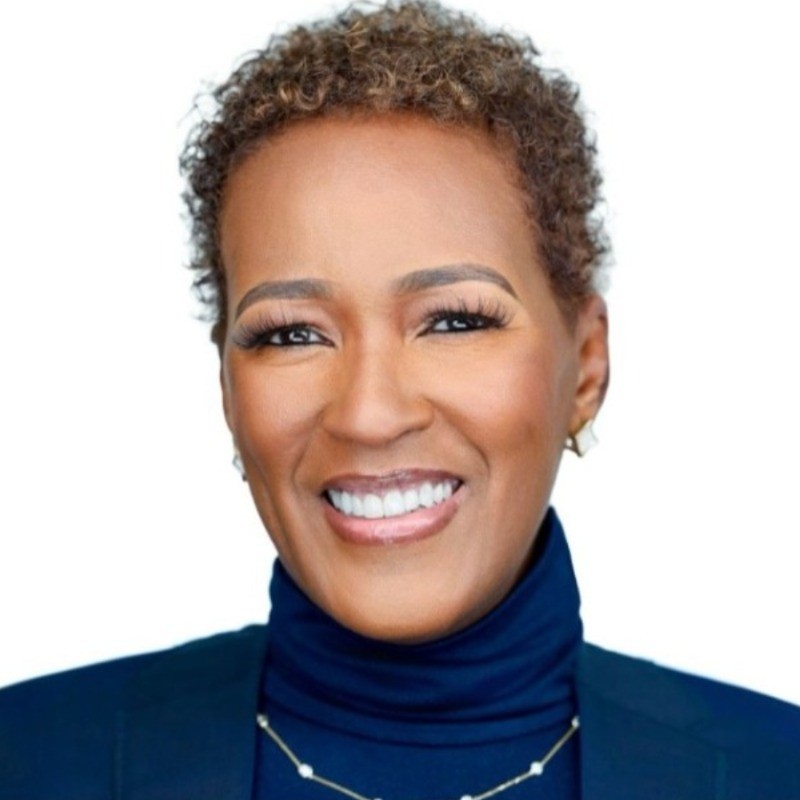
Chesley Maddox-Dorsey
Advertisers used to buy radio for its reach. They still do, but now they want proof of what that reach delivers. Streaming trained them to expect exact counts, who watched, how often, and what happened next, and radio is being asked the same questions. It still has the audience, the local trust, and the habit of daily listening, and the work in 2026 is putting a number on all of it. The stations doing well are the ones showing their value instead of defending it.
Chesley Maddox-Dorsey is the Chief Executive Officer of A Wonder Media Company, parent of American Urban Radio Networks, the Nielsen-rated national audio network that reaches more than 40 million listeners a week across broadcast, streaming, and digital. In 2025, she expanded the company's footprint with the launch of Amplified Voices, a cross-platform network built around Black culture, video, and audio programming. Her case for radio begins where the industry's usual pitch ends.
"Advertisers pay for effectiveness, not necessarily just huge numbers. They pay for advertising that works, and they realize they have to be everywhere all the time," says Maddox-Dorsey. Radio still reaches 93% of U.S. adults each month, a figure that outperforms smartphones and television, and that scale keeps it in the plan. Reach, on its own, has become common, though, since advertisers can buy audiences nearly everywhere they look. What matters now is what a channel holds a listener's attention for, and that question moves radio's case away from size, and toward the relationship it keeps with the people tuned in.
The relationship radio owns
The differentiator is the attention audio holds when a listener has no screen in front of them. "It's no fatigue on your eyes. It's something you can do while you're doing other things, but it's in your ear. You're tied into it, and it's able to command a lot of your attention," says Maddox-Dorsey. That attention is what makes radio work as an awareness channel, the job she thinks it does better than anything else. A buyer ready to click on a new product usually needs to know it first, and audio builds that familiarity through repetition before handing the listener off toward the point of sale. "I need to hear a message a few times for it to stick. That’s where radio works. It builds awareness, keeps you top of mind, and calls for action," she says.
The relationship goes past airtime to the people behind the mic. Radio's talent are known personalities with community ties, and their pull comes from an authenticity that impression counts never capture. "Great radio talent are personalities. They're well-known, they're authentic, and you can't yet AI that level of authenticity," says Maddox-Dorsey. She allows that improving models may close some of that distance within a few years. That trust is what a buyer is actually purchasing when they run a spot inside a local show, and it forms the asset radio has to put a value on.
Digital buyers adjust first on the creative, which radio handles differently. The format sells in fixed slots, and writing to that limit is its own craft. "It's a 15-second commercial, a 30-second commercial, or a one-minute commercial. There's no 22 seconds, there's no 41 seconds, it's those slots. You have to be very creative to tell a good story in that period of time," says Maddox-Dorsey. Teams trained on open runtime relearn the form with experience, and the constraint becomes part of what makes an audio spot land.
Where value gets proven
Radio's whole case turns on measurement. Streaming dashboards report discrete audience data, and Maddox-Dorsey credits them with pushing radio to get more definitive, while noting the industry still lacks a unified way of calculating what those dashboards claim. "It's giving us challenges, thank goodness. Nielsen is working hard to get better, and individual companies are working with agencies on how to get more specific data. It's an area where radio has upside," she says. Nielsen's 2026 data shows radio holding the dominant share of ad-supported audio listening, and the work ahead is translating that reach into the attribution buyers weigh before committing budget.
Local political advertising is where radio's value gets proven, and where the proof runs out. Candidates run all the digital they can afford and still get on their local stations to ask voters to turn out, a pattern holding through the 2026 midterm cycle as spending concentrates locally. "I don't know of a politician in the country who doesn't want to get on the air on their local radio stations and tell the people in that community to come out, support me and vote," says Maddox-Dorsey. Radio is expected to capture an estimated $273 million of this cycle's political spend. That local pull is reflected in where campaigns continue to invest, and the open question she keeps returning to is whether it carries the same demonstrable weight for a national campaign. Radio's measurement push is built to close that gap, from moving a community to proving it can move a country.
Radio's case comes down to proving its part rather than winning a contest with streaming or digital. Advertisers do better when they understand what each channel contributes, and the value radio has to put a number on is the trust and attention the others reach for. "It's all part of the media mix as opposed to one to the exclusion of the other. You need it all in tandem," says Maddox-Dorsey.