Familiar Voices And Sound Logos Preserve Brand Recognition As Ad Production Speeds Up
Cannes Audio & Radio juror Claudia Hesse on the frog call her jury couldn’t stop whistling and why brands that keep a familiar sound outlast the next new ad.
Make Ad World News one of your go-to sources on Google


Sound was always needed and sound was always there. It's the medium that remains, and it will never disappear. Even with AI, we realized quickly in our jury that it was mostly used on the technology side and not for the craft itself.
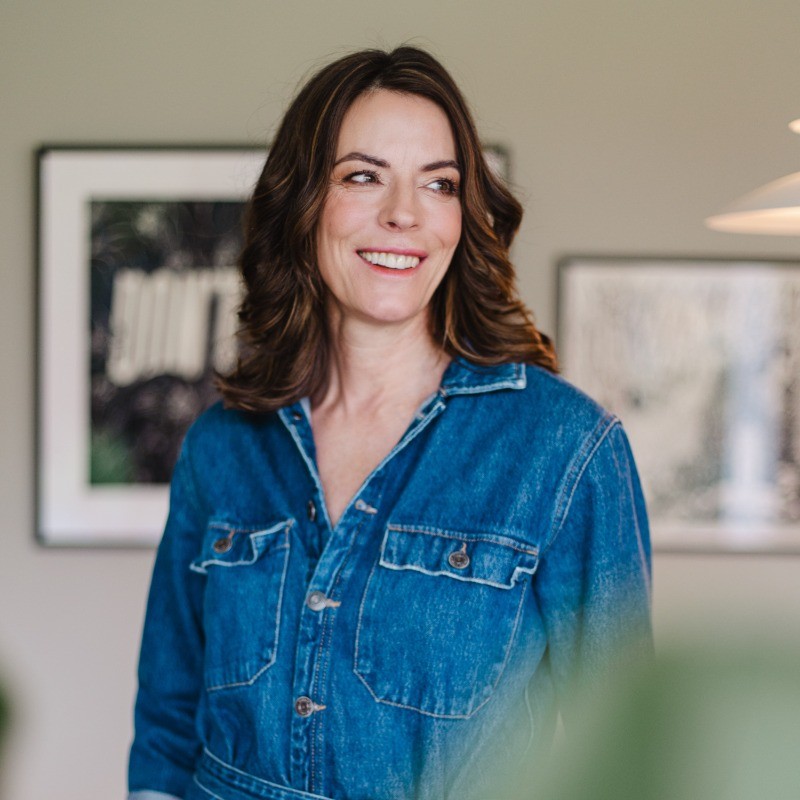
Claudia Hesse
During the final deliberations of this year’s Cannes Lions Audio & Radio jury, the room spent most of its time arguing over two contenders. The campaign that went on to win the Grand Prix had slipped out of the conversation, even though jurors had been whistling its two-note call on their way out of the room and waking up with it in their heads. That kind of involuntary recall is an asset many advertisers underuse.
Production tools now make it easy to turn out new versions of an ad, and second-screen viewing pulls attention from the television to the phones in hand, so a familiar voice or sound may be the one thing that tells people which brand is speaking. Making new ads and building something people recognize are separate skills, and the industry has become far better at the first one.
Claudia Hesse is Casting Director at Hesse Voices, a Hamburg agency specializing in international voice casting and audio post-production. Over 30 years in the field, she has developed brand voices for clients including Lufthansa and Vodafone and spent a year and a half overseeing the U.S. recordings for Samsung's Bixby assistant. This year she served on the Cannes Lions Audio & Radio jury. She believes the brands people remember are the ones that commit to a sound and keep using it.
"Sound was always needed and sound was always there. It's the medium that remains, and it will never disappear. Even with AI, we realized quickly in our jury that it was mostly used on the technology side and not for the craft itself," says Hesse. Her jury's deliberations ended up offering an informal test of which work had stuck.
Memory settled the Grand Prix
Jurors screen most entries alone at home before Cannes, so by the first night Hesse found that pieces she loved had slipped from other jurors' minds, and the reverse was just as common. A copywriter from the Philippines explained why food-centered work landed so deeply in Asian markets, where cooking carries a cultural weight European jurors don't always see.
"All these little aspects let you see pieces from a completely different angle, and we changed our minds very often," Hesse says.
The final debate narrowed to IKEA Canada's Sleep Talk Reviews, which turned the mumbles of real sleep talkers into mattress testimonials, and Abradee's Searching for Birds on Wires, a composition built from the positions of birds on power lines. Hesse says a similar birds-on-wires composition had been made years earlier, so the jury couldn't give a reproduction the Grand Prix. Hesse listened to the entire argument without weighing in, then pointed the room back to the campaign everyone had stopped discussing but nobody had stopped humming.
"We didn't talk about it anymore, but every one of us had this tone. We were whistling along, and we woke up with that sound in our heads. That is the most impressive case here, because I really like the simple idea of it," she says.
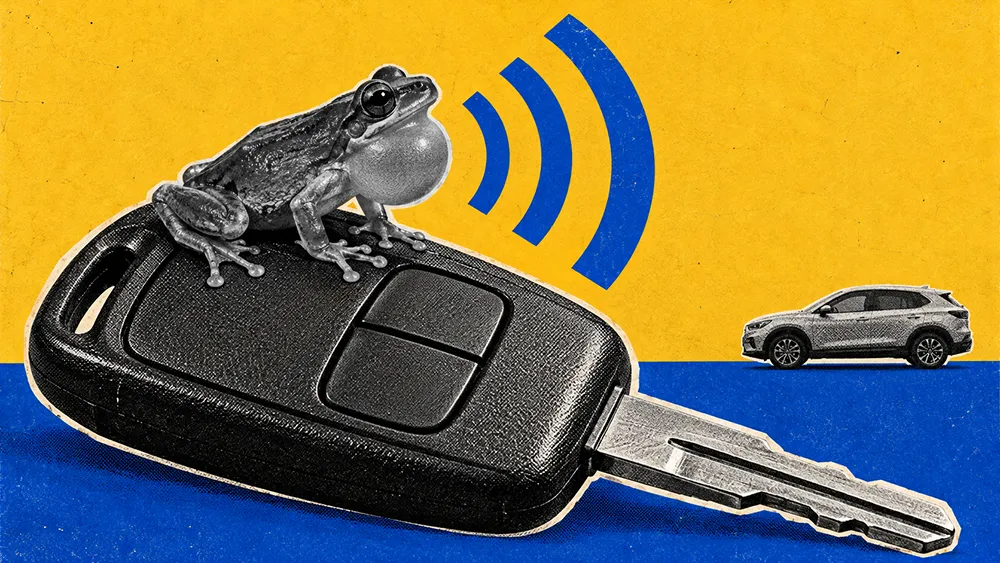
The campaign was Hyundai's Coquí Alarmed, whose Audio & Radio Grand Prix fellow juror Edu Luke also credits to slow, collective deliberation. Hyundai traces the idea to a Reddit post about silencing the coquí's nighttime song, which set off a fierce backlash across Puerto Rico. BBDO Puerto Rico answered by replacing the lock and unlock beep on Hyundai rental cars with the coquí's call. Hesse says people started phoning to ask for the sound, and by her account the campaign sold a lot of cars for the client as well.
Recognition rides on consistency
Advertising teams are under constant pressure to produce something new. Hesse sees agencies competing on price and younger teams judged by how quickly they can turn out the next social commercial, and she has also watched brands walk away from sounds they spent years making recognizable.
Earlier in her career, at a sound studio, she watched a colleague create a short pulsing logo for Audi, timed to make the carmaker's emblem beat on screen. The sound ran across markets for years, including in the U.K., where it accompanied British voiceovers delivering Vorsprung durch Technik. Hesse accounts the ending clearly. "No one wanted to pay for it anymore, and it was gone," she says.
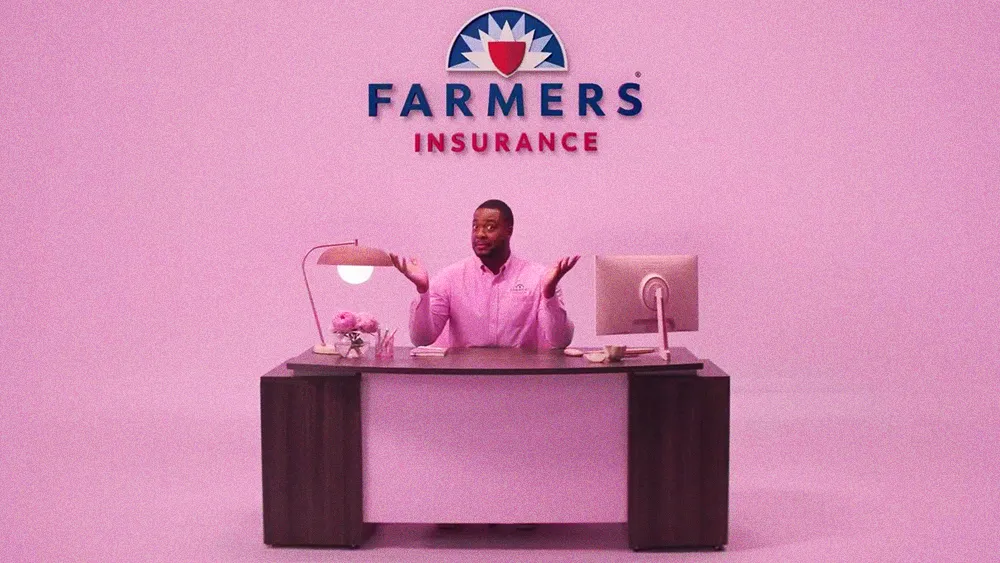
Deutsche Telekom shows what holding on looks like. By Hesse's account, the company used the same two brand voices, one male and one female, for about 25 years, alongside one sound logo whose musical genre shifted to suit each message. The campaigns could change while the voices and the underlying sound stayed recognizable. Farmers Insurance made a similar call this year when it swapped two words in its jingle and kept every note.
That familiarity reaches viewers who aren't looking. Hesse can name an actor on television without glancing up, a trained habit she admits drives her kids nuts, and she argues that ordinary audiences learn a brand's voice the same way when it stays constant. A German supermarket chain she works with keeps one performer recording in the studio constantly. "People recognize it's that supermarket chain doing an advert, and they go and buy the blueberries, because they don't even have to watch television," Hesse says.
The chain also sends customers personalized offers, and recording each one in the studio isn’t practical. So Hesse’s team built a professional AI clone of the same performer’s voice, which means customers hear the voice they already know in those messages too. The performer agreed to the clone by contract and, as Hesse puts it, “still gets the same money.” That kind of consent stands out at a time when German voice actors are boycotting Netflix over AI training clauses.
Simple ideas need brave sellers
Coquí Alarmed was inexpensive to produce. The team used an existing recording of the frog, and a Hyundai technician handled the programming. The harder part was persuading a carmaker to replace its familiar alarm with an amphibian's call. Hesse jokes that the pitch probably met five minutes of silence before anyone considered it, and says she would have loved to see the client's reaction on film.
"Sound makes it hard, because there's no picture that helps you sell an idea. You have to stick to the simpleness of listening," she says. An idea that fits in one sentence is easy to dismiss in one sentence, which hands clients drawn toward playing it safe a convenient exit, even as juries keep rewarding work that manages to say less with more clarity.
"Creatives have to be brave enough to carry on a simple idea. Even if the idea sounds a bit stupid, let others decide if it's possible to do it. I never say no when a client comes with an idea. I always say I will try," Hesse says. Brands can make another ad tomorrow, while a sound people recognize without looking at the screen takes years to build. After judging campaigns built around far more elaborate ideas, the jurors walked out of the Palais whistling a frog's call that someone first had to persuade a carmaker to put in its cars.
"You have to have the idea and make it happen," Hesse concluded.