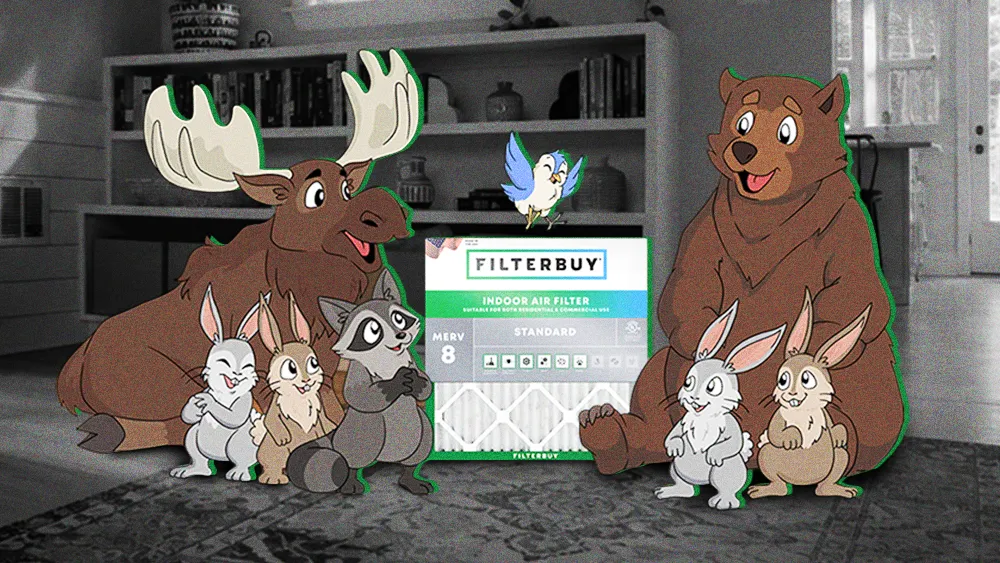

An agency can pitch a TV commercial with a short script, a timed sequence of rough images called an animatic, and a sample voice track. Together they let a client hear the promise, see how the story unfolds, and decide whether the idea deserves a shoot. The most useful question to bring to that meeting is one the client can answer: Which of these stories would you want a customer to remember?
Consider an agency pitching a regional home-services business. One idea opens on a homeowner hearing a furnace fail. Another follows a technician making the first call of the day. The first sells relief. The second asks the viewer to put a face to the company. A client could describe both scripts as “on brand” and still have a strong preference once the two openings play.
Give the client something consequential to change
In Ad World News, Waymark chief revenue officer Hayden Gilmer argues that a seller needs a point of view about the advertiser’s business before the first meeting. For an agency, that means making the two directions different enough to reveal a preference. Changing the music under the same pictures settles a music question. Changing whose story the audience follows settles a campaign question. Ad World News interview
There is a useful precedent in Waymark’s reporting on a feed store. A sales rep showed the owner a spec spot with the store’s own aisles in the frame. Waymark reports that the owner committed to a campaign during the call. It is one seller’s account, but the detail worth borrowing is specific: the owner could judge how that store would appear on television. Waymark’s account
Leave the meeting with a production brief
Play each direction through once, then ask the client to describe the business in a sentence as a viewer might. If the answer misses the intended promise, revise the opening before polishing the edit. If the client recognizes the promise but objects to the person delivering it, that is a casting decision the team can resolve before booking talent.
Record the chosen direction, the claim the client can substantiate, and the footage still needed. Label temporary music, voices, and generated scenes in the review copy. A polished preview can easily give a client the impression that every detail is ready to air. A written list of what the shoot will add makes the estimate easier to understand.
Waymark Studio Plan for agencies
Frequently asked questions
What should an agency show a client when pitching a TV commercial before a shoot?
Show a timed script, a sequence of storyboard frames, and a temporary voice track. If the client is choosing between two concepts, give each a different opening or point of view. Ask which story makes the product’s benefit clearest, then use that choice to scope the shoot.
What is the difference between a storyboard, an animatic, and a spec ad?
A storyboard shows the planned shots as still images. An animatic plays those images in sequence, often with a scratch voiceover, so the client can judge timing. A spec ad is a sample commercial created to pitch an idea and may look close to the finished spot.
What should a client sign off on before filming a TV commercial?
Approve the script, product claims, featured people or products, and call to action. The agency can then confirm the shot list and estimate. Mark temporary voices, music, and images in the preview so everyone knows which elements still need to be recorded, licensed, or replaced.