
The advertiser needs to understand who controls the glass and who controls the software.
 Nick ManarangiHead of Marketing & Partnerships @ Insight TV
On FAST channels, the ads can sometimes run out before the break does. A spot or two plays, then a countdown timer ticks through the empty seconds until the show comes back. Those gaps sit inside a fast-growing part of the streaming market where audiences and available inventory continue to expand. Wurl's 2025 CTV Trends Report found that total viewing hours across ad-supported streaming channels increased nearly 29% over the previous 12 months, while ad fill rates continued to trend lower as growth in content supply and viewing outpaced advertiser demand. The opportunity is clear: viewers are there, but advertisers haven't fully followed. Reaching those audiences means navigating a growing number of operating systems, TV manufacturers, platforms and buying routes.
Nick Manarangi, Head of Marketing & Partnerships at Insight TV, sees that evolving market from the supply side. Manarangi came to television from performance marketing, where he ran his own agency in New Zealand buying media on Google and Meta. That experience left him focused on a question many TV buyers skip: who controls the screen.
"The advertiser needs to understand who controls the glass and who controls the software," Manarangi says. Samsung and LG are vertically integrated examples, controlling both the hardware and their respective TV operating systems, including key advertising surfaces such as the homescreen. Google TV, by contrast, operates across multiple manufacturers. For advertisers, the complication is that operating-system footprint doesn't necessarily translate directly into commercially addressable advertising reach. Buyers still need to understand what inventory is available, through which route, and in which market.
Who controls the glass
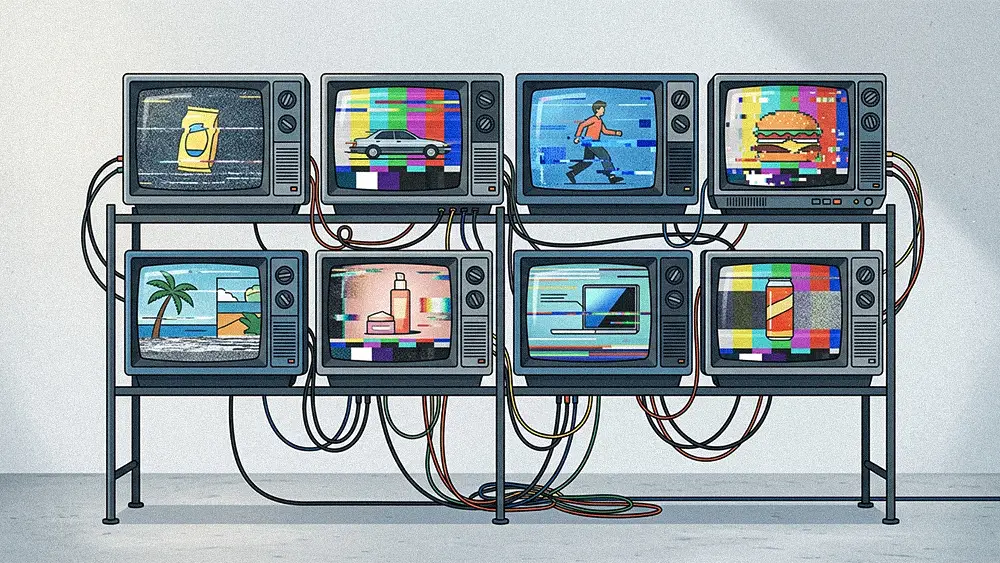
Manarangi contrasts TV buying with the platforms he bought on as an agency owner. On Meta or TikTok, a campaign lives inside one system. On television, audiences are fragmented across operating systems and platforms such as Tizen, webOS, Google TV, Roku and Fire TV, running across a range of TV manufacturers. Access and sales routes can also vary by country.
One audience, multiple buying routes
Insight TV sees the day-to-day cost of that with a US brand running CTV campaigns in the UK and parts of Europe. The brand has four or five suppliers delivering its ads, each with its own reporting system. DSPs have reduced some of that complexity by giving buyers a single route into inventory across multiple CTV publishers and platforms. But they do not remove the fragmentation entirely: not every platform, homescreen placement or audience is available through every DSP, and access can vary significantly by market.
That is why Manarangi starts multi-market conversations with scale: which markets a brand wants to reach, which buying routes provide addressable inventory there, and how many screens that adds up to.
Familiar names feel safer
As the range of CTV opportunities grows, unfamiliar environments can require more explanation in a client meeting. “Media buyers and clients naturally gravitate towards platforms they already know. If you're proposing Disney+, for example, everyone immediately understands what that is. With FAST services or newer CTV environments, there can be an additional education piece before a client is comfortable putting them into the media plan,” Manarangi says.
That familiarity also develops at different speeds across markets. "The US tends to adopt some of these newer CTV opportunities earlier. In Europe it can take longer for those buying behaviors and levels of familiarity to develop," Manarangi says.
The home screen test
Smart TV home-screen advertising gives brands access to one of streaming TV's most valuable positions.
"The home screen is the first thing that comes up as soon as you turn that remote on. That's the first impression," Manarangi says. That position is particularly valuable because it reaches the viewer before they choose an app or streaming service, giving the companies that control the TV interface a unique position before audiences fragment across Netflix, YouTube, FAST channels and other apps.
Buying that first impression is becoming easier, but it is not yet uniform. Premium homescreen inventory has traditionally required direct relationships with the companies controlling the TV interface, although that is changing as manufacturers open more inventory to programmatic buying. The challenge for buyers is understanding what inventory is actually available, through which buying route, and what addressable reach that route provides in each market. “Direct relationships still matter for understanding market-specific inventory, scale, targeting and commercial opportunities that may not be obvious from a buying platform alone,” Manarangi says. Insight TV's partnerships with LG and Samsung help it answer those questions for clients across multiple markets.
More routes into TV
A potential Meta route into CTV would add another buying path to a market advertisers already reach through a growing number of platforms and partners.
The fragmentation isn’t a reason for advertisers to hold back from CTV. The audience is already there, the inventory is growing and more ways to buy it are emerging. The opportunity comes from understanding how those pieces fit together , who controls the screen, what inventory is actually available and which buying route makes sense for each market. For marketers who can navigate that, the complexity starts to look a lot more like opportunity.