
B2B Creative Breaks The 'Sameness' Trap When Brands Lead With Their Own Distinct Character
alan. agency's Benedict Buckland on why B2B campaigns land harder when the product, the research, or the operation carries the story instead of the industry commentary.
Make Ad World News one of your go-to sources on Google


B2B brands need to show what makes them distinctive and build compelling stories around the absolute essence of who they are.

Benedict Buckland
B2B campaigns work better when they're about what the company actually does. A bearing manufacturer built a campaign around how its bearings generate power from ocean tides. A fertilizer brand built one around a decade of its own soil research. The product carries the story, and the buyer comes away knowing what the business does.
It may sound basic, but a lot of B2B work skips that step. Brands publish thought leadership so general that any competitor could put its name on it, or borrow a film format that already worked for someone else, and the campaign ends up carrying the brand without needing it.
Benedict Buckland is Managing Director at alan. agency, a London firm handling brand strategy and campaigns for B2B clients in financial and professional services. He is a Creative B2B juror for this year's Cannes Lions International Festival of Creativity and hosts the podcast B2B Marketing: The Provocative Truth. Before moving agency-side, he held strategy and creative roles at Raconteur and worked in brand management at Castrol. Judging the category put the full entry pool in front of him, not only the work that reached the shortlist.
"B2B brands need to show what makes them distinctive and build compelling stories around the absolute essence of who they are," Buckland says. Meeting that standard means the company has to work out what it stands for. Teams that skip that question move straight to picking a format, and B2B keeps picking the same one.
Beyond the mockumentary
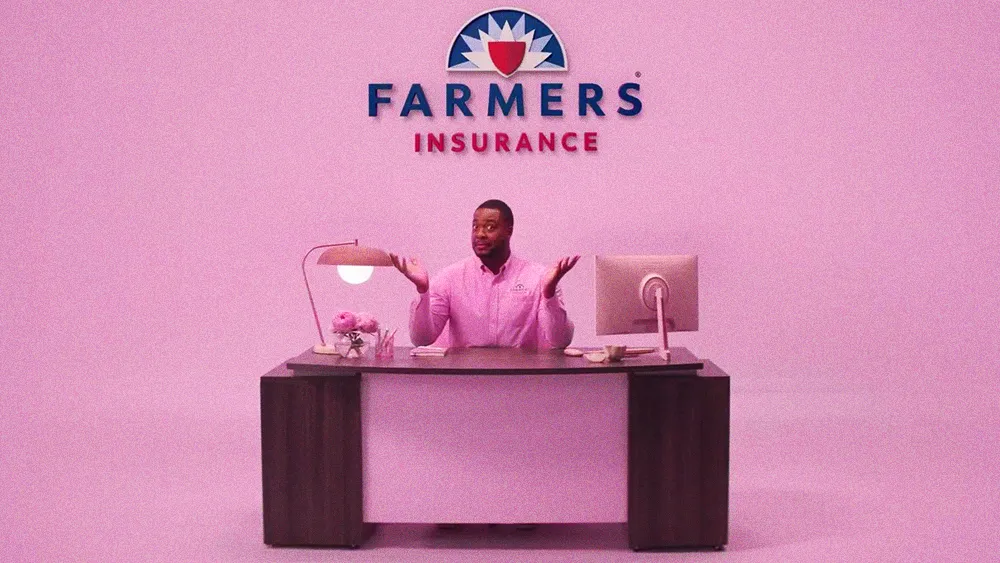
Slack's 2014 launch film staged a software rollout as a deadpan office documentary, and it worked well enough to reset what B2B video could look like. More than a decade of imitators later, the audience knows every beat before it starts, and Buckland keeps seeing teams reach for it. "You're just documenting an office scene, and there's not a big concept underpinning it that is memorable," he says.
The appeal is that it hands a team recognition without requiring a strong central idea. Viewers clock the reference and credit the tone, then forget which company made it. Nothing in the execution belongs to the advertiser, so nothing about the campaign sticks to the brand that made it. "I want to see B2B move beyond the mockumentary as the default, and beyond thinking that it's an example of creativity, because it no longer is," he adds.
Stories from the business
Thought leadership creates the same problem. Buyers trust companies that clearly know their field, so B2B brands publish research and advice about the issues their customers face. The subject matter belongs to the industry as a whole. "It's sometimes difficult to place the brand within the content they are putting out, because they are speaking very agnostically about an audience issue and offering relevant insight and advice," Buckland says.
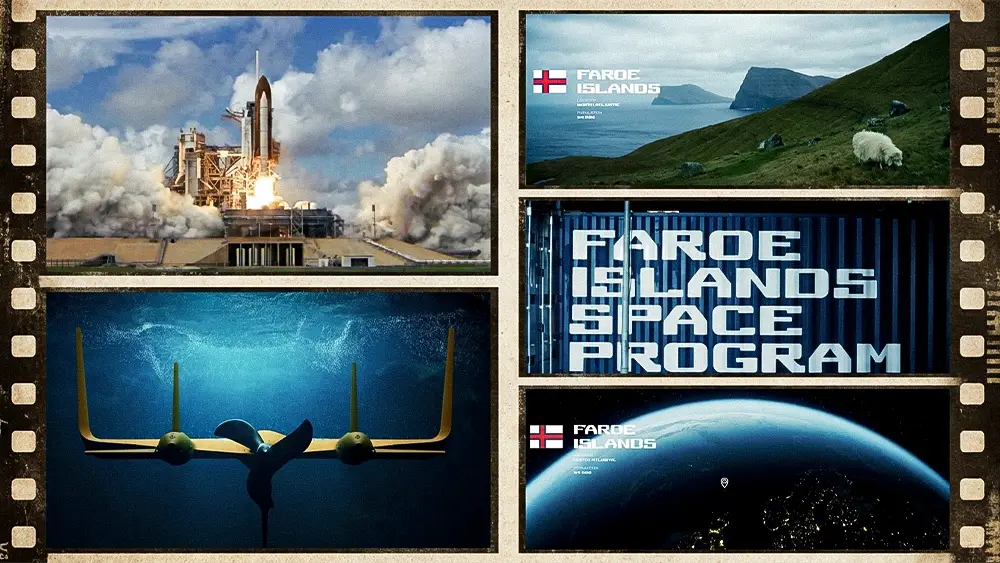
Buckland points to a few campaigns that got this right. SKF makes bearings. Those bearings sit inside underwater kites that turn tidal current into electricity, and tides are driven by the moon. NORD DDB followed that chain and built The Faroe Islands Space Program, which sold tidal energy as a space program that never leaves Earth. Tra Mongkut Fertilizer had years of soil research sitting in its files. VML Bangkok turned that into Soil Stay, a training program that teaches Thai farmers how to bring depleted fields back. "They've taken their IP, their research, and made that the hero of their story by converting it into a program which helps educate farmers and create more sustainable farming practices," Buckland notes. Neither idea would survive being handed to a competitor, which is the point of specificity.
Potholes and payoff
Colas Ísland lays asphalt on Icelandic roads, a category that rarely buys advertising at all. Its problem was that the government sets road maintenance budgets, and those budgets had not moved while the road network fell apart. No amount of talking to procurement was going to change that.
So Pipar\TBWA went around it. The Spanish greeting ¡Hola! sounds like 'hola,' the Icelandic word for pothole, and the agency built a campaign around a relentlessly cheerful character named Nicolas who toured the country greeting craters. It ran on television and social, and Colas later published a guidebook cataloguing the worst road damage nationwide. The work was aimed at drivers, who vote for the people who set the budget. "It is about influencing the government. But we do need to persuade the public as well, because they're the people that can put pressure on elected officials to think about change," Buckland says.
Working out who actually moves the decision is the part Buckland sees teams skip. Colas had a customer it could name and no way to reach, so the campaign went after the people that customer answers to.
The campaign brought in contracted road work in its first year, with more committed for the year after. "It's proof that advertising can work within B2B and can actually work as performance marketing if you're really clever with how you do it," Buckland adds.
Strategy's second job
Buckland's advice to teams sitting on an idea like this is to build the argument before showing anyone the work. Name the problem the audience has, then show how competitors currently talk to it and where the opening is. A skeptical reader should be able to follow it step by step. "If you continue to follow category norms, you're going to get diminishing returns," he says.
He wants teams to treat strategy as two jobs. Most already do the first one, finding the insight the creative rests on. The second one gets skipped. It is the case for the campaign as a business decision, spelling out what the spend should produce and why. "Great creative doesn't exist without a good insight. But there's also the strategy of this as a piece of communication, being able to set out that if we take this course of action, this is going to be the result, and this is why," Buckland says.
Buckland tells teams that a strategy has to decide what the brand will not do. Without that, the creative team has nothing to work against, and the work comes back looking like everyone else's.
Getting the yes
CFOs and CEOs say no to unfamiliar work for reasons that often have nothing to do with the work itself. Buckland's first piece of advice is to talk to them early, before there is anything to approve. "Nobody wants to have something presented to them as a fait accompli and just be asked to sign off on the decision," he says.
That conversation should be a set of questions. Ask what they will judge the plan on, and ask how they see the business problem right now. The answers shape the pitch, and they bring up objections while there is still time to deal with them.
Then put a price on doing nothing. A campaign nobody in the category has tried looks risky next to a safe plan, right up until the safe plan gets measured the same way. "Show what the cost of inaction is. Show what the status quo is if we don't do anything, and rhetorically ask them, 'is that an acceptable outcome?'" Buckland notes.
Nobody in the room wants to defend standing still. Buckland lays out both options as probabilities, which changes the CFO conversation from one number into two.
All of it comes back to where teams begin. Most begin with a gap in the market and work backward from there, shaping the brand to fit. "There has been a real trend to be led by the audience, to say this is a defined market problem or unmet need and we will adapt or manipulate ourselves to correspond to that," Buckland says.
Colas started from asphalt. SKF started from bearings. The audience came second in both cases, and what the company already did turned out to be the part worth building on. "If you are in a marketplace where you are struggling to cut through, you do need to do something different. That is just a reality," he adds.